
As Epic Universe rises, Disney faces a crisis of identity.
The Magic Is Fading: Is Disney in Decline?
For over fifty years, Walt Disney World was more than a vacation destination—it was a rite of passage for American families. A place where fairy tales came alive, where generations created memories under fireworks and castles, and where the name Disney became shorthand for wonder, warmth, and family.
But lately, something feels… off.
In recent years, even the most loyal Disney fans have begun asking an uncomfortable question: Has Disney lost its magic? While the company clings to nostalgia and its legacy, a growing number of visitors describe the parks as sterile, overpriced, and overtly corporate.
Gone are the days of spontaneous magic. Today’s guests must navigate mobile apps, reservation systems, and paywalled upgrades just to access experiences that were once included. The charm, some argue, has been monetized—and the magic reduced to a line item.
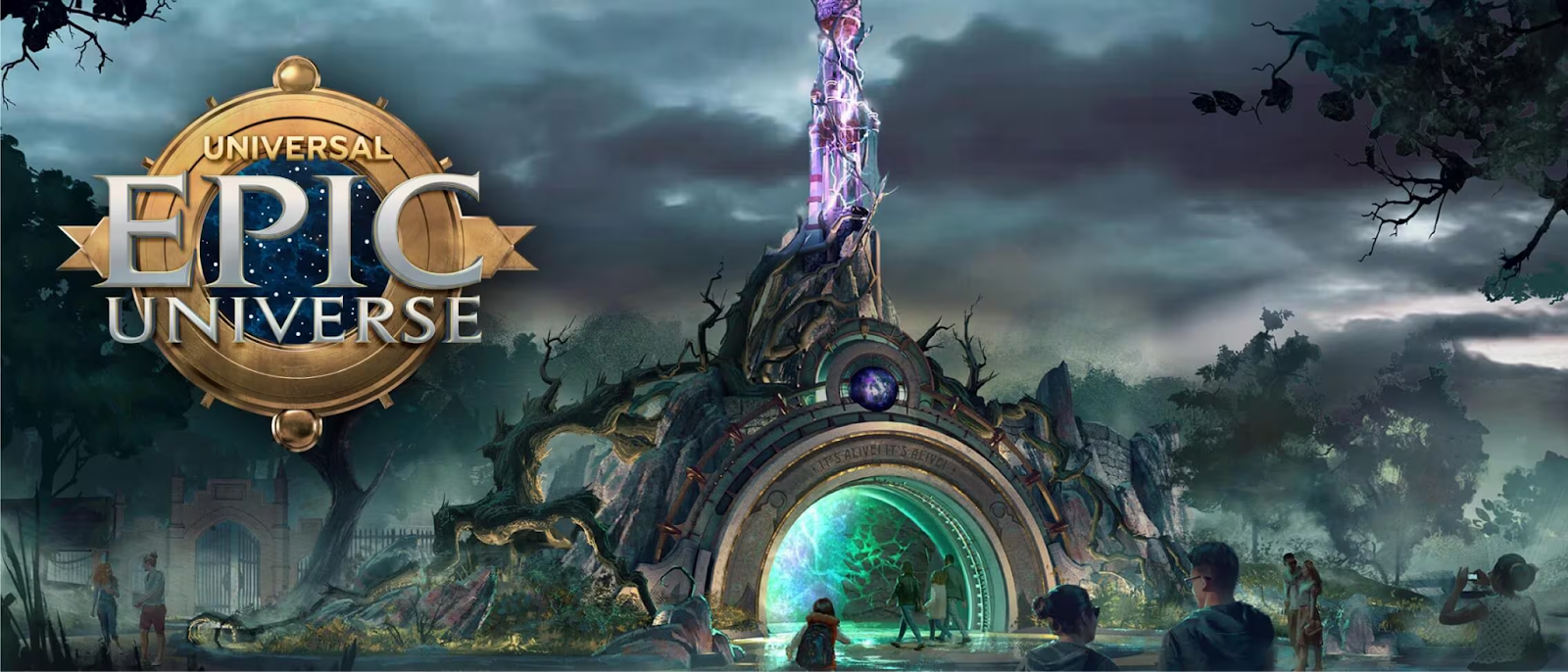
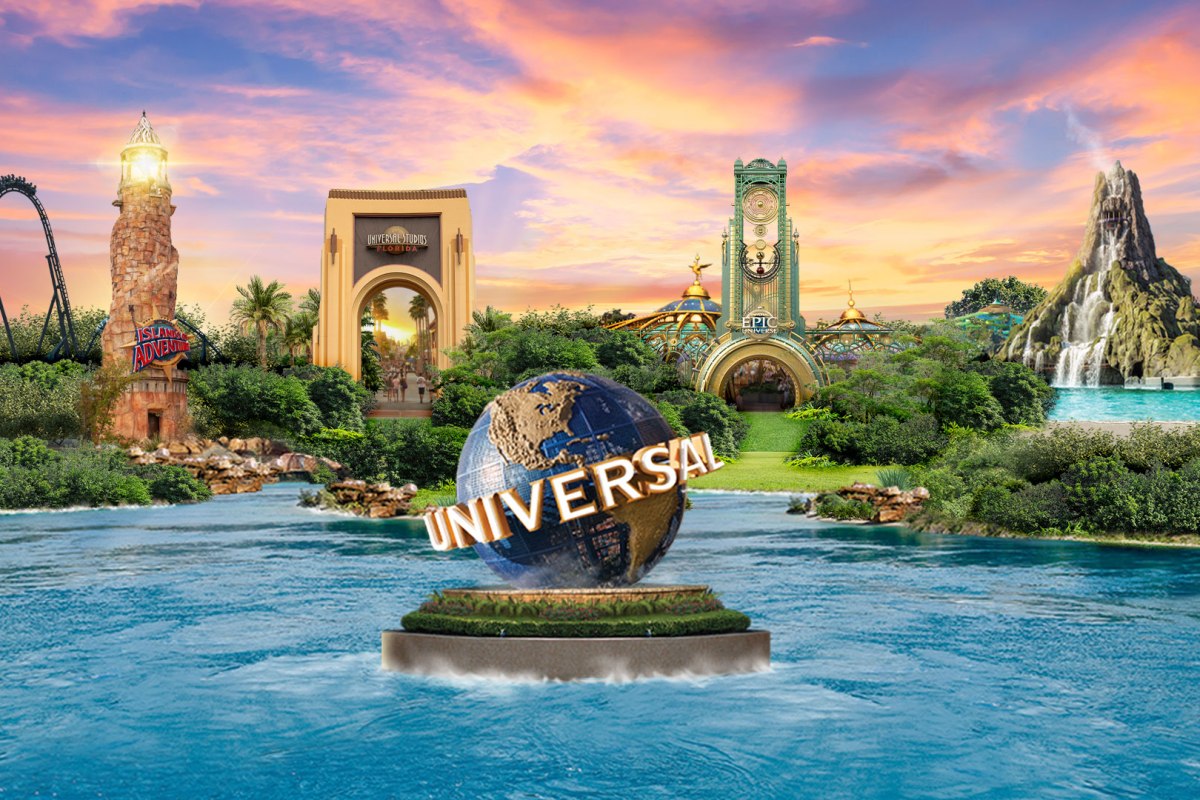
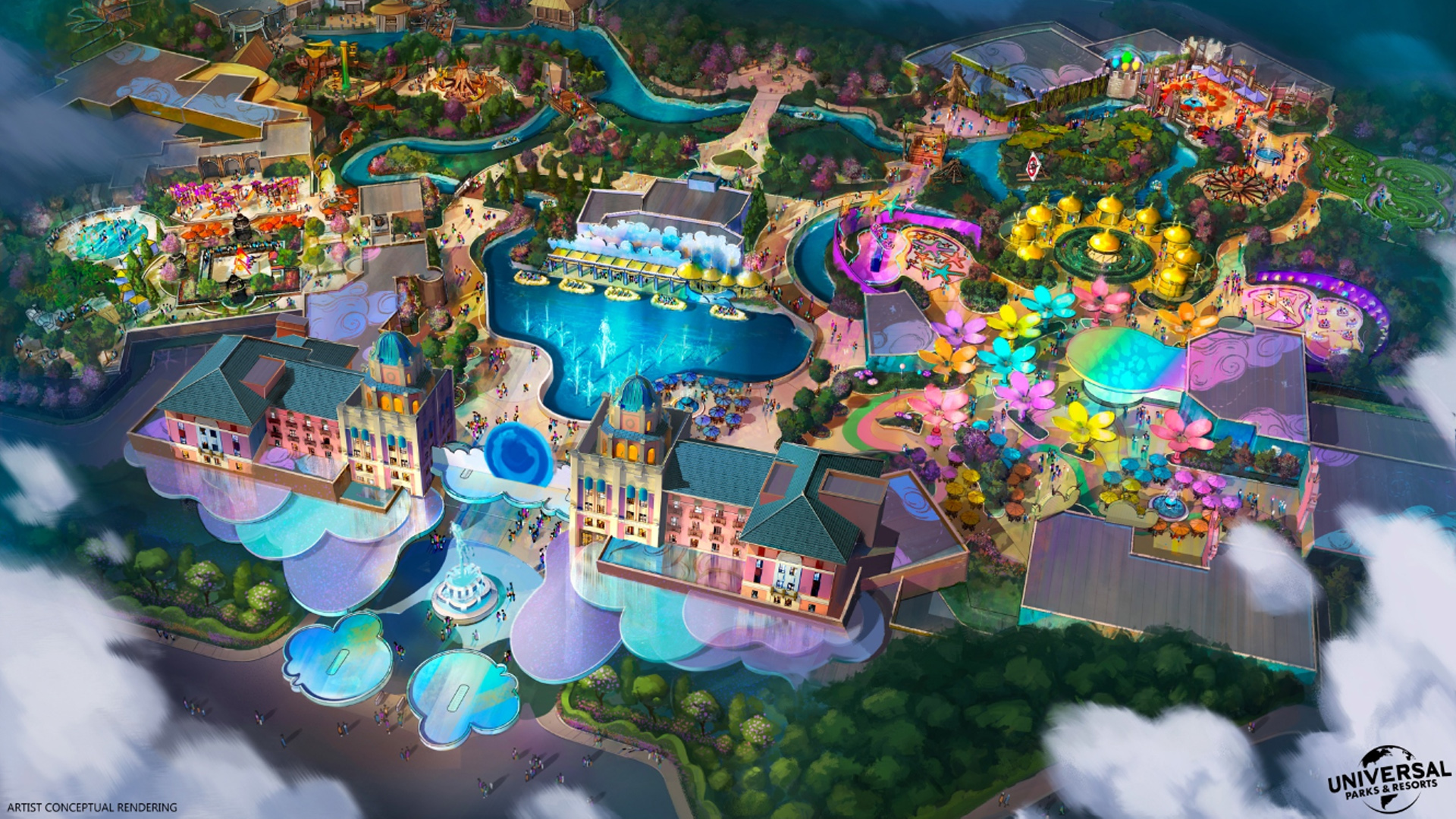
Now, a bold new contender rises on the Orlando horizon: Universal’s Epic Universe. Built from the ground up for modern theme park guests, this ambitious park promises immersive lands, next-gen attractions, and a cohesive creative vision. It’s not just a new theme park—it’s a direct challenge to Disney’s dominance.
For the first time in decades, Disney isn’t just adapting—it’s scrambling. And one thing is clear: pixie dust alone won’t be enough to keep the magic alive.
From Free to Fee: How Disney Nickel-and-Dimes Its Guests

There was a time when a Walt Disney World vacation felt like a justified splurge—expensive, yes, but packed with value and unforgettable moments. For many families, it was the trip of a lifetime. But over the past decade, especially in the wake of the COVID-19 pandemic, something has shifted. The price of admission keeps rising, while the perks that once came standard are now locked behind paywalls. Increasingly, guests are asking: Is it still worth it?
The Death of “Included Magic”
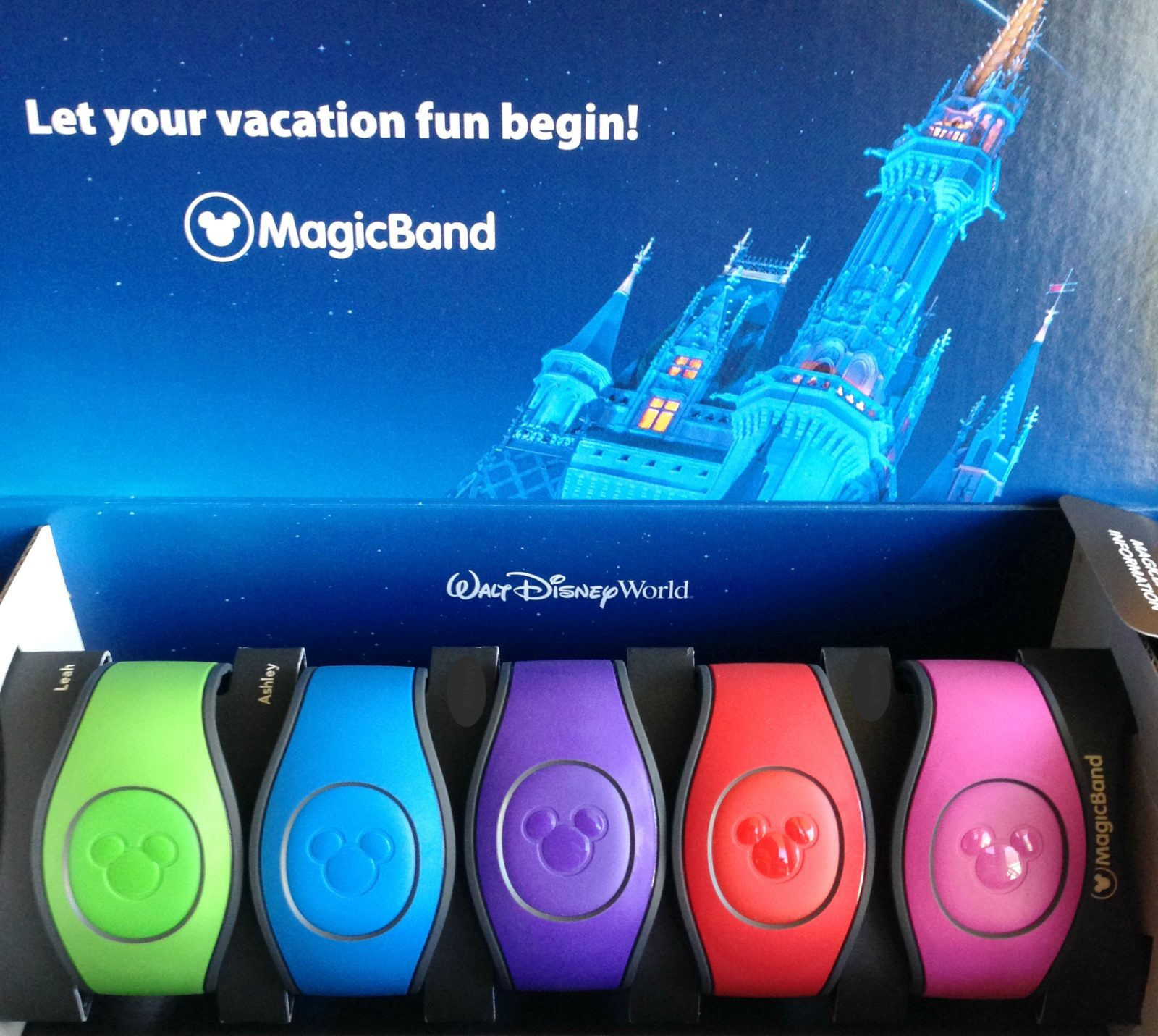
Disney once prided itself on delivering a seamless, all-inclusive, guest-first experience. That included:
- FastPass: Complimentary skip-the-line access.
- MagicBands: Mailed to your home for free, serving as your room key, ticket, and wallet.
- Magical Express: Free airport transportation for resort guests.
- Extra Magic Hours: Bonus park time, included with any Disney resort stay.
Today, those perks are gone—or come at a premium.
- Lightning Lane has replaced FastPass, now requiring daily fees and à la carte charges for top-tier attractions.
- MagicBands are no longer free, and mobile alternatives are emphasized instead.
- Magical Express is discontinued for most, leaving guests to arrange and pay for their airport transport.
- Extra park time has been shortened and split into Early Entry and Extended Evening Hours, now mostly reserved for deluxe resort guests.
Death by a Thousand Surcharges

And the nickel-and-diming doesn’t stop there:
- Resort parking now costs $15–$25 per night, a fee once included.
- Quick-service meals can run $15–$20 per person. A bottle of water? Around $6.
- Merchandise prices have soared. A basic souvenir shirt might cost $40–$60. Want a lightsaber at Galaxy’s Edge? Over $200.
- Dining reservations are snapped up weeks in advance, leaving walk-up guests scrambling—or hungry.
Rising prices might be tolerable if value rose in tandem. But for many, that’s not the case. Guests are paying more and receiving less: less spontaneity, less convenience, and fewer “wow” moments. The financial pressure can turn a once-magical trip into a stressful, debt-laden ordeal.
The App Trap
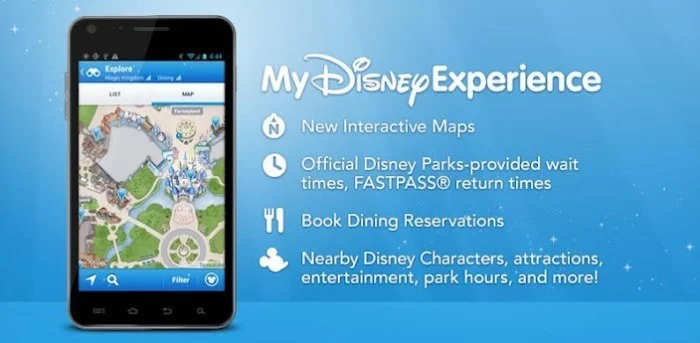
Perhaps the most frustrating change is Disney’s dependence on smartphones. To navigate a day in the parks, you’ll likely need to:
- Be awake and online by 7 a.m. to secure ride bookings.
- Make dining reservations months in advance—or refresh the app constantly for cancellations.
- Monitor wait times, show schedules, and mobile orders through the app.
The result? Instead of soaking in the magic, guests are glued to their phones—playing travel agent, IT support, and logistics manager. The spontaneity that once defined Disney vacations has been replaced by digital micromanagement.
Disney’s gradual shift from enchantment to efficiency might be good for quarterly earnings. But for guests, the cost of magic has never been higher. And with Universal’s Epic Universe poised to offer immersive experiences without as much friction, Disney’s position as the go-to destination for dreamers is no longer guaranteed.
Creative Crisis — The Imagination Is Missing
Price increases may push guests away, but for many lifelong fans, the deeper wound is this: Disney’s creative soul—the imagination, the boldness, the storytelling—feels like it’s fading.
Once the gold standard in innovation, Disney Imagineering now feels cautious, calculated, and corporate. The company that once dreamed up industry-defining experiences is now leaning heavily on its back catalog, playing it safe, and chasing synergy over substance.
The Decline of Originality

Disney was once synonymous with creative risk-taking and visionary design. Consider these groundbreaking attractions:
- Haunted Mansion – A masterclass in dark humor and practical effects
- Pirates of the Caribbean – A ride that redefined immersive storytelling
- Spaceship Earth – A thoughtful narrative on the history of human communication
- Expedition Everest – An ambitious fusion of myth, engineering, and atmosphere
These weren’t just rides—they were stories, crafted from scratch and built to endure.
Today, that spirit feels stalled. Instead of creating new worlds, Disney increasingly recycles existing ones. At EPCOT, recent headliners include:
- Frozen Ever After
- Remy’s Ratatouille Adventure
- Guardians of the Galaxy: Cosmic Rewind
Each is based on a pre-existing franchise, slowly replacing EPCOT’s original identity as a celebration of human progress and discovery.
Meanwhile, ambitious original concepts like the Mary Poppins attraction, Play Pavilion, and a Spaceship Earth overhaul have been delayed indefinitely or canceled. Add to that ongoing maintenance issues and frequent ride closures, and the creative erosion becomes hard to ignore.
Creativity vs. Corporate Strategy

Much of this creative stagnation reflects a cultural shift within Walt Disney Imagineering (WDI). Many of the legends who defined Disney’s golden age have retired or been edged out. While new voices can bring fresh perspectives—a valuable thing—the results often feel disjointed, overly commercial, or thematically shallow.
Walt Disney once championed a philosophy of constantly improving and always surprising. Today, that’s been replaced by synergy: ensuring that every attraction, shop, and snack serves a broader franchise goal.
The result? Attractions that increasingly feel like brand extensions rather than inspired experiences. In some cases, even Disney’s well-intentioned attempts at inclusion and representation can feel forced, tacked on, or lacking the emotional depth they deserve. Authentic storytelling must lead, not marketing mandates.
The Cost of Creative Compromise

This corporate-first approach is also changing the texture of Disney’s environments:
- Rivers of America, a peaceful tribute to Americana, is rumored to be re-themed to Cars—a tonal mismatch, and a loss of atmosphere.
- The Grand Floridian, once a flagship of Victorian elegance, is being modernized into something flatter, safer, and less distinct.
- EPCOT, once a visionary showcase of global unity, is now overwhelmed by IP overlays that undermine its educational heart.
- Magic Kingdom, once designed for all ages, now leans more into Disney adult culture, with alcohol sales, after-hours events, and luxury experiences edging out accessible charm.
Disney once operated from a clear creative center: “Make people happy through storytelling.” Today, that mission feels replaced by something colder: “Maximize profit through brand alignment.”
What remains is a theme park empire that still dazzles on paper but feels increasingly hollow at its core. And with Epic Universe not just challenging Disney’s attractions, but also its creative ambition, the stakes have never been higher. Can Disney rekindle the spark of imagination that built its empire? Or has storytelling been permanently replaced by spreadsheets?
Epic Universe: The Challenger Arrives

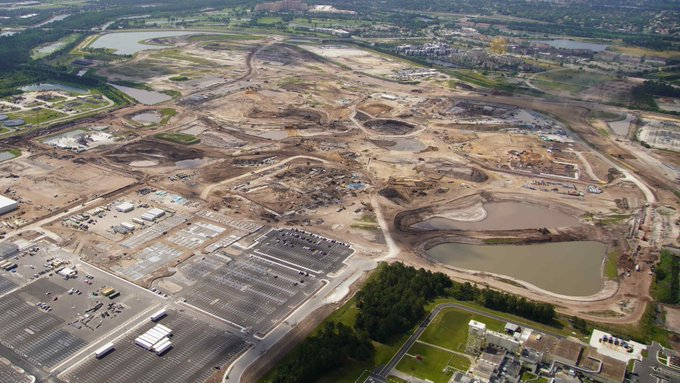
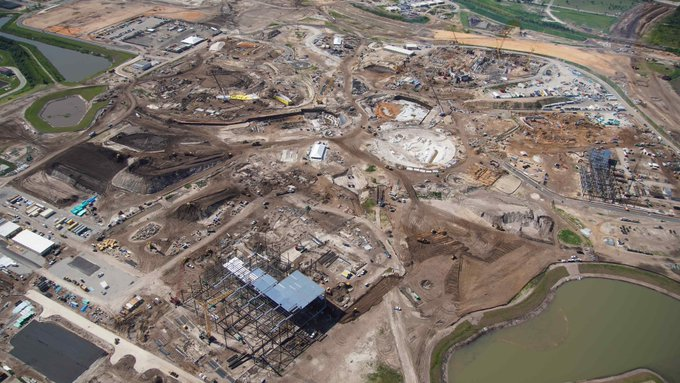
While Disney remains tangled in course corrections and corporate calculus, Universal is quietly and confidently building the future. That future is Epic Universe.
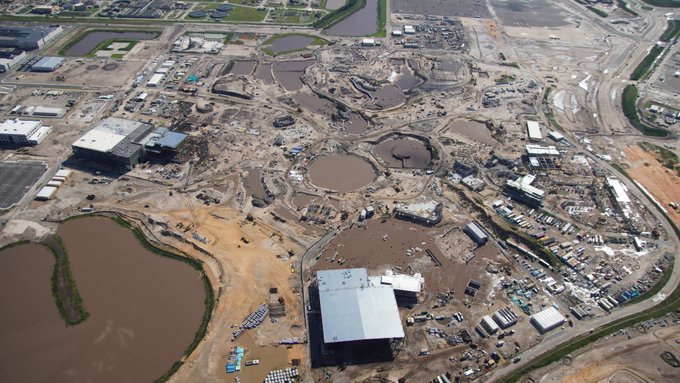
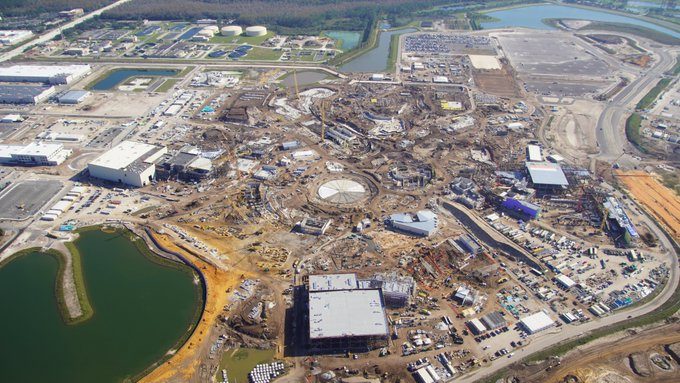
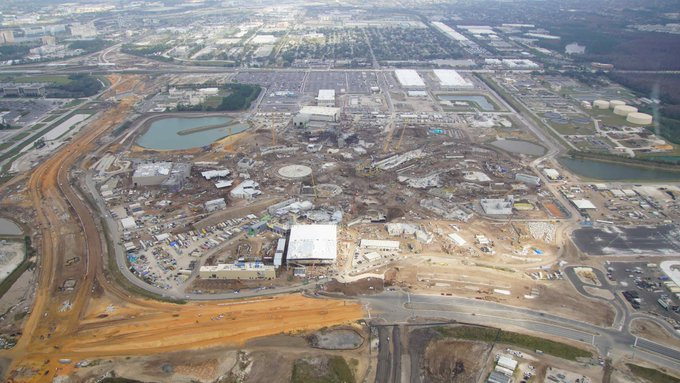
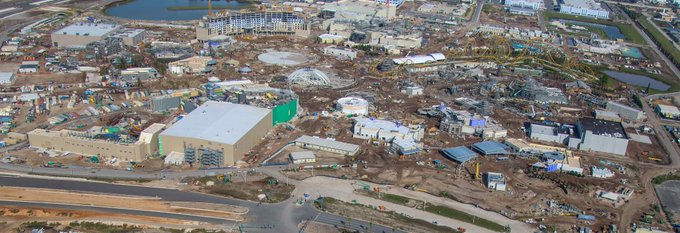
Opening May 22, 2025, Epic Universe is more than just another theme park. It’s Universal’s bold declaration of intent: a master-planned, tech-driven, story-rich experience designed to redefine the industry. For the first time in over 25 years, Orlando is getting an entirely new theme park and it’s not coming from Disney.
A Vision Built for the Modern Guest

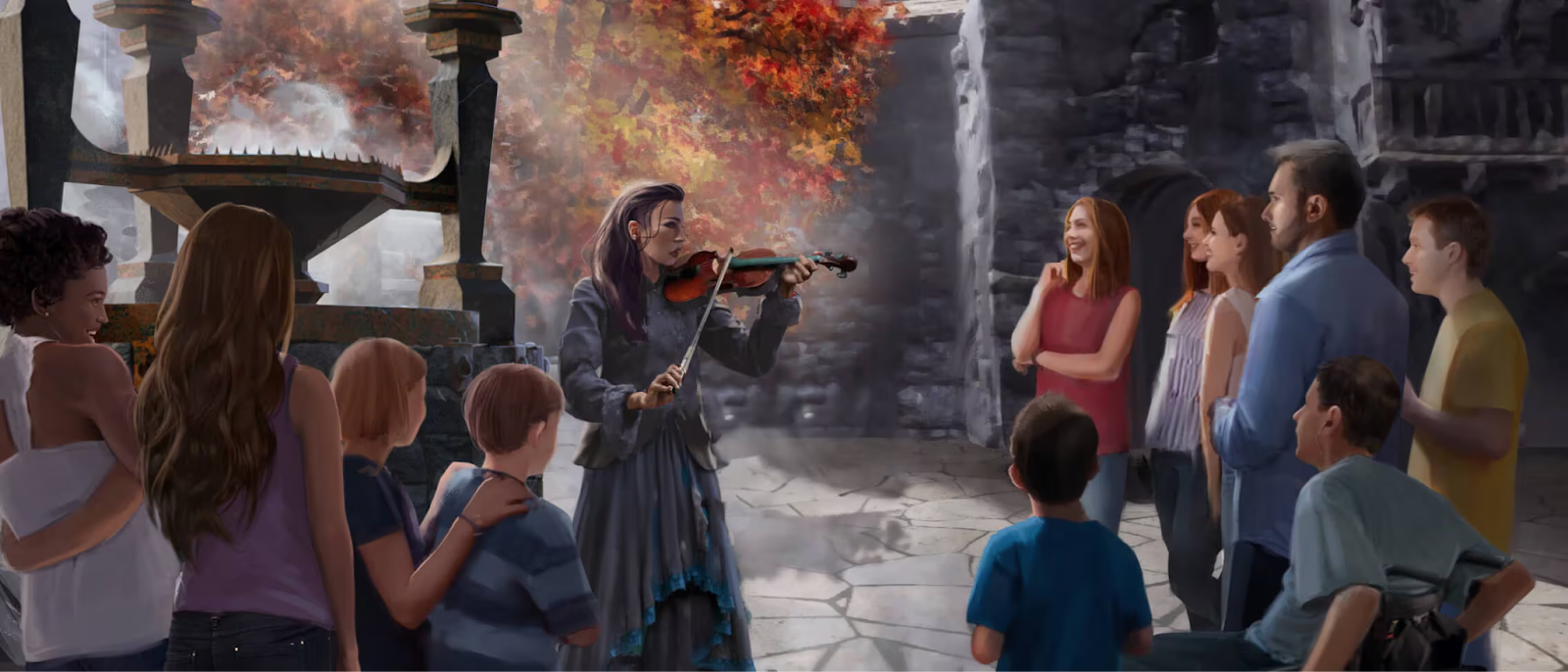
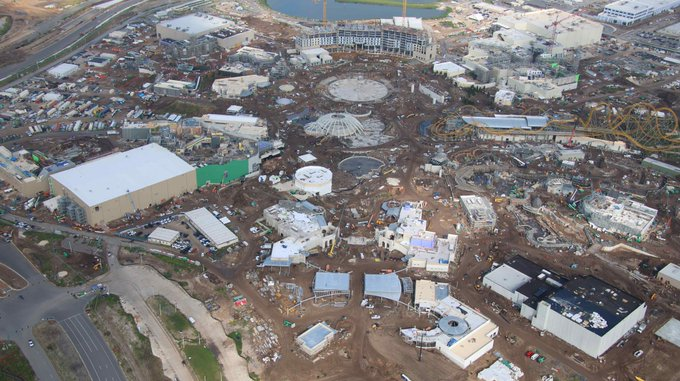
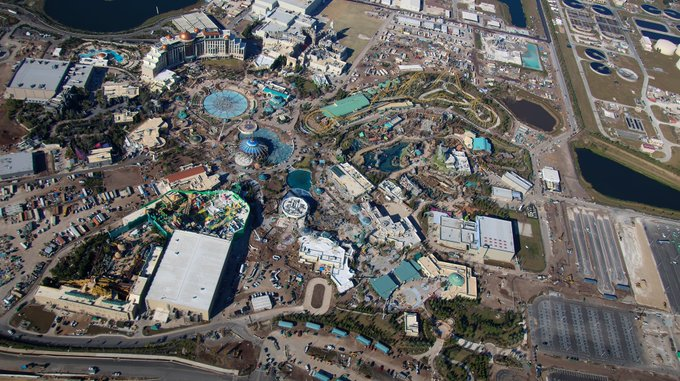
Epic Universe isn’t just about thrill rides—it’s about immersive, narrative-driven environments. Designed around a central hub called Celestial Park, the layout is a futuristic riff on Disney’s classic “hub-and-spoke” model. From there, guests enter five intricately themed lands:
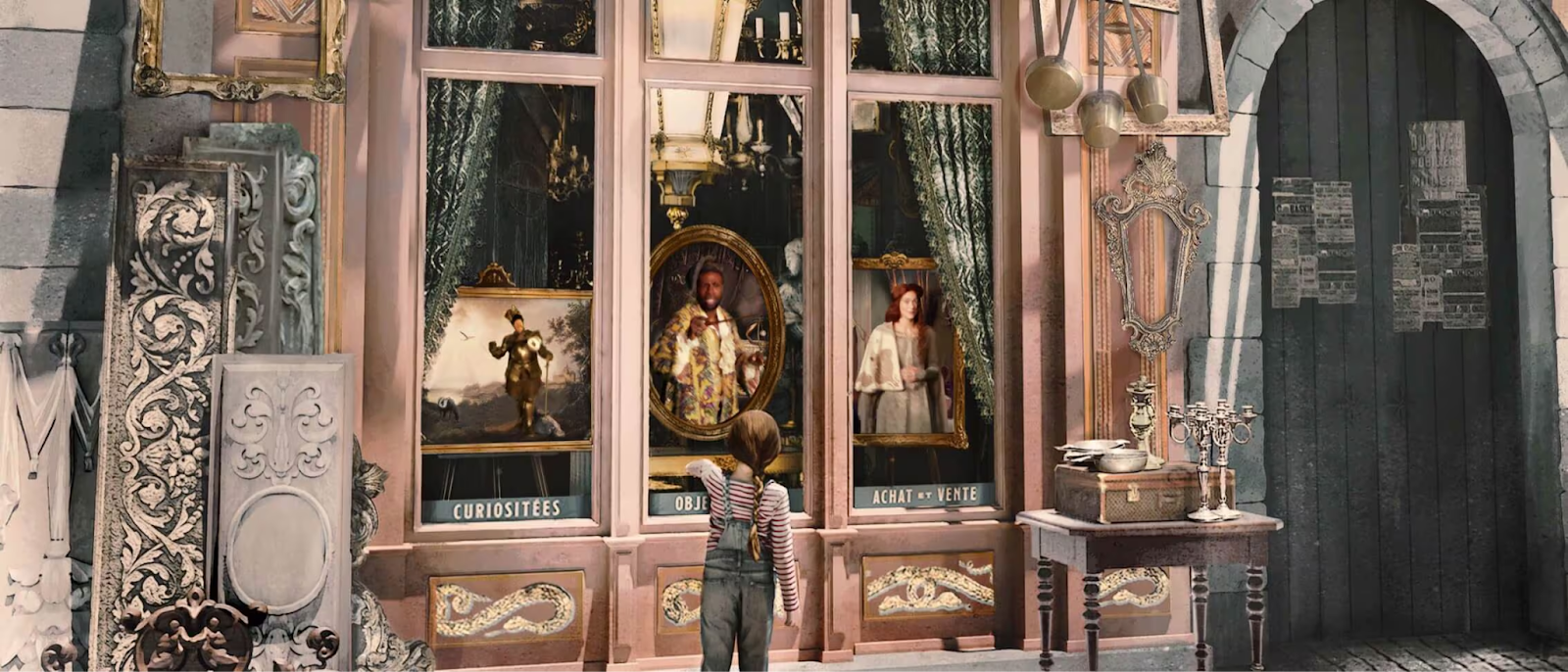
- The Wizarding World of Harry Potter: Ministry of Magic – A new expansion blending Fantastic Beasts with the original series in a richly detailed, urban wizarding environment.
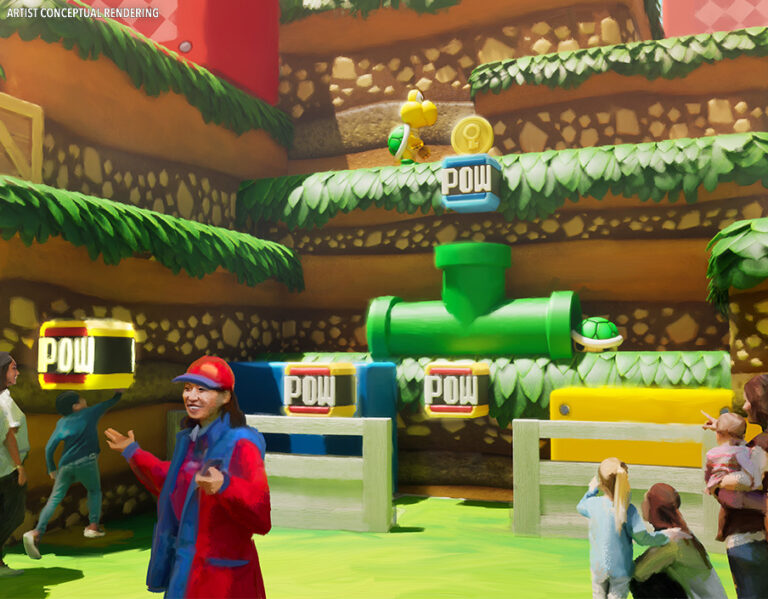
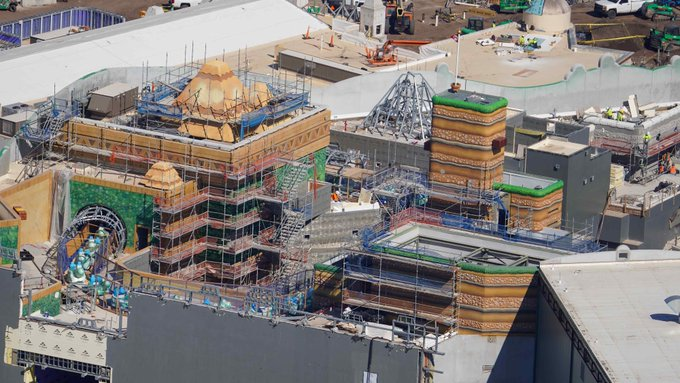
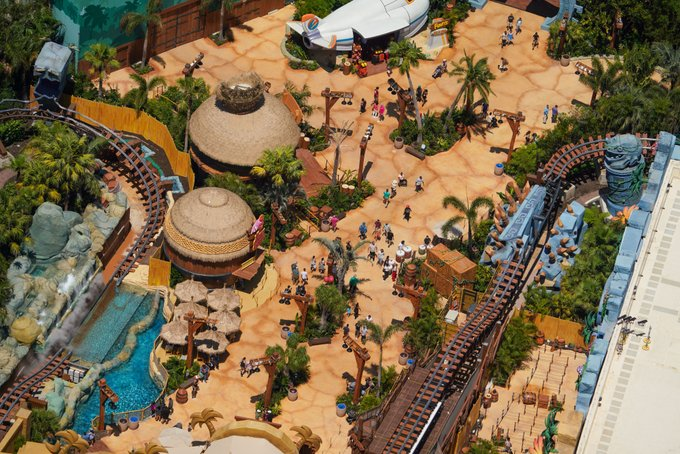
- Super Nintendo World – A vibrant, interactive space where Mario Kart, Donkey Kong, and classic Nintendo characters spring to life in a gamified, augmented world.
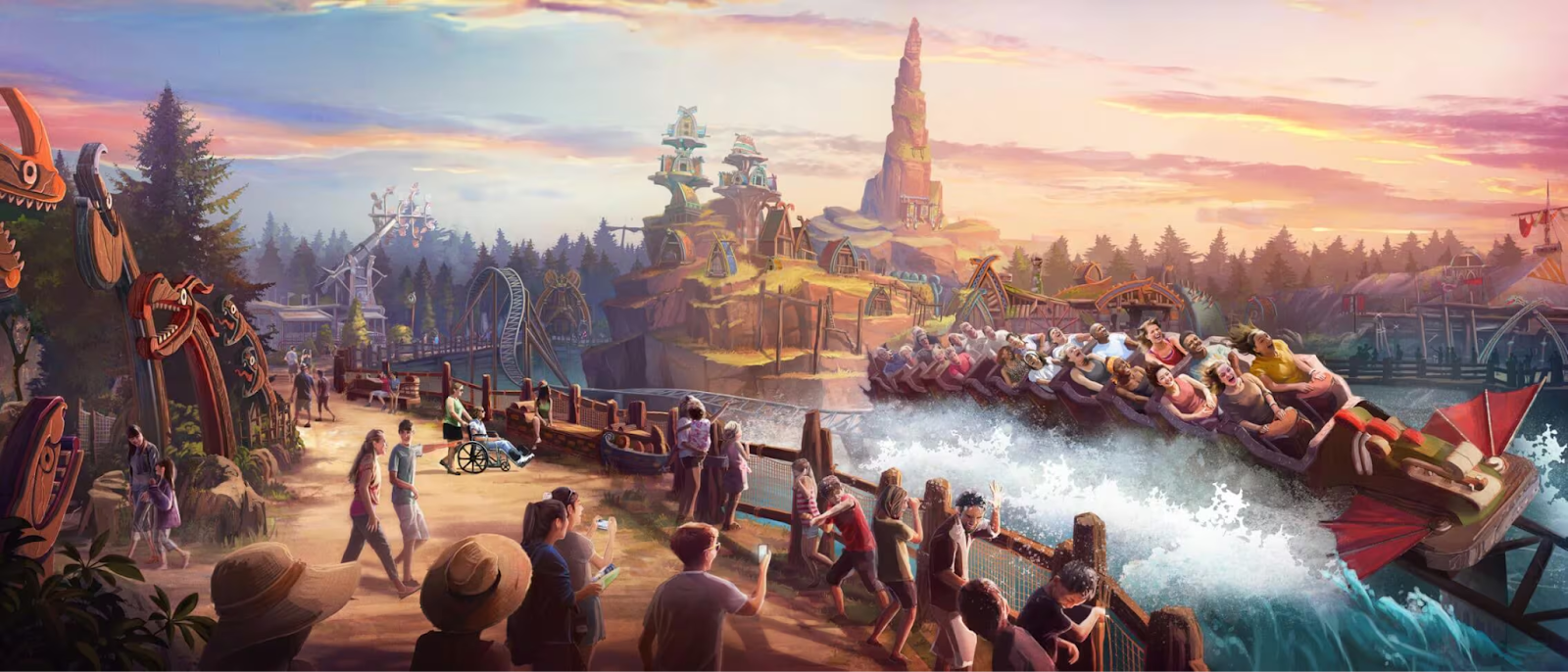
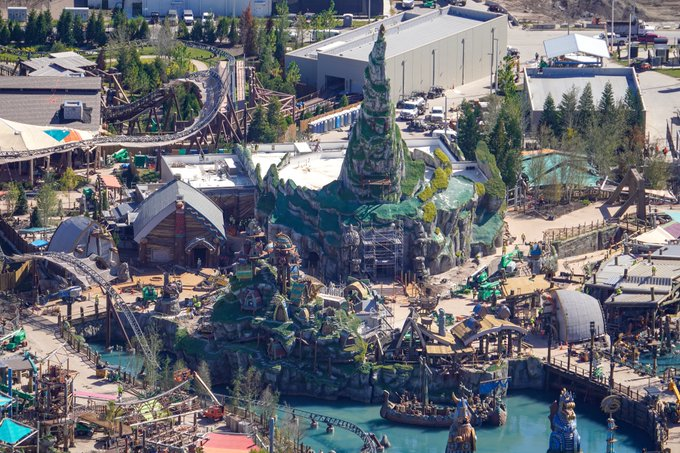
- How to Train Your Dragon: Isle of Berk – A whimsical, high-energy land designed for families, filled with dragon rides, Viking lore, and airborne adventures.
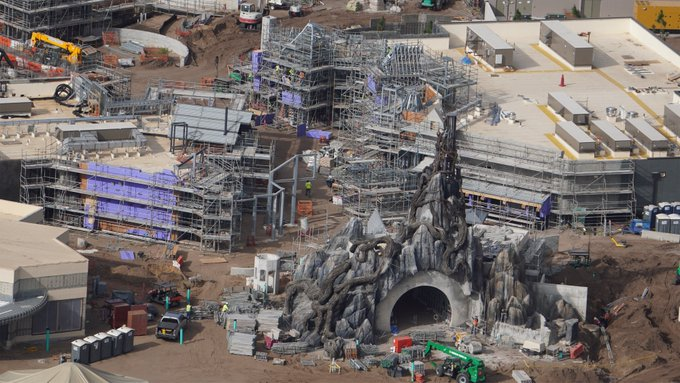
- Dark Universe – A moody, monster-filled world where Universal’s classic creatures take center stage in gothic, tech-infused thrill experiences.
Each land is being built as a fully realized universe, not just a collection of rides, but seamless worlds where storytelling, dining, and even retail serve a cohesive vision.
Technology as Storytelling

Universal isn’t just innovating thematically—it’s reinventing the guest experience through technology. Epic Universe aims to deliver not only new attractions, but a smarter, more streamlined way to enjoy them:
- Facial recognition and other advanced systems will enable personalized ride moments and more efficient entry, potentially eliminating traditional wait times.
- Augmented reality will play a major role in attractions like Mario Kart and interactive spellcasting in the Wizarding World.
- Interactive queues will tell rich backstories, allowing guests to dive into the narrative before the ride even begins.
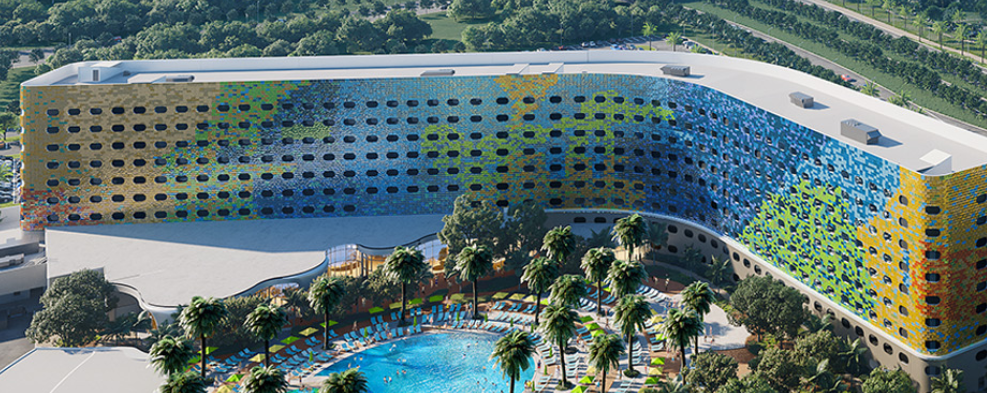
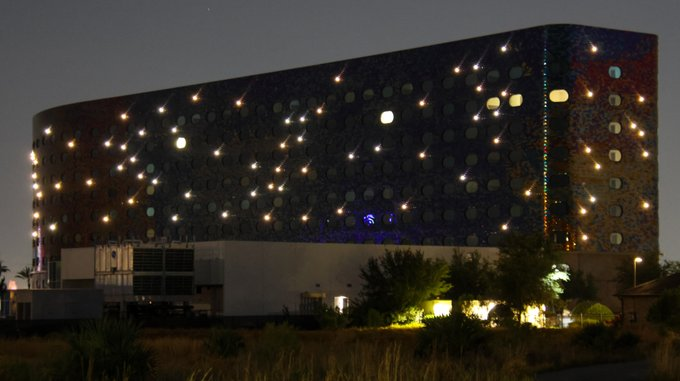
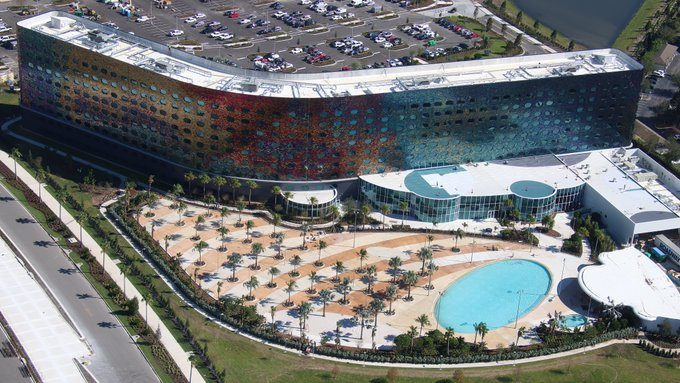
- Integrated on-site hotels within the park loop will give guests seamless transitions between lodging and adventure, elevating the resort experience to something truly immersive.
While Disney invented the “theme park resort” concept, Universal is pushing it into the next generation, with speed, boldness, and clarity of vision.
The Real Threat

What makes Epic Universe truly dangerous to Disney isn’t just its scale—it’s the momentum behind it. For decades, Disney’s dominance was unquestioned. But today, guests aren’t loyal by default. Frustrated by rising prices, declining creativity, and a colder, more transactional experience, many are looking elsewhere.
Meanwhile, Universal is earning its fan base—not with nostalgia, but with fresh ideas, modern tech, and guest-first innovation. The cultural narrative is shifting: Disney is the legacy giant, but Universal is the hungry visionary. And for the first time since 1971, the energy and excitement in Orlando are being driven by someone other than the Mouse.
If Epic Universe delivers on its potential—and all signs point to yes—it could trigger a seismic shift in the theme park landscape. This isn’t just competition. It’s a creative reckoning. And Disney knows it. The question now is no longer when Universal will catch up, but whether Disney still has the fire to stay ahead.
Damage Control — Disney’s Desperate Response

Disney once led the theme park industry through vision and bold imagination. Today, it’s reacting—and the cracks are showing.
With Universal’s Epic Universe poised to redefine the Orlando experience, Disney has shifted from confident innovator to anxious defender. Its latest playbook? Deep discounts, revived perks, and a sudden—and conspicuous—embrace of the local market it once neglected.
These aren’t signs of strength. They’re warning flares.
Discounts That Scream Panic

In recent months, Disney has unleashed a barrage of aggressive deals:
- Special resort discounts for Disney+ subscribers
- UK-exclusive vacation offers were announced shortly after Universal teased its London park
- The return of free dining for kids—an incentive Disney typically saved for slow seasons
- Most striking of all: $60/day tickets for Florida residents—in the middle of summer, traditionally a high-demand season
Historically, Disney didn’t need to discount summer. The parks sold themselves. But with Epic Universe dominating headlines and stealing attention, Disney is scrambling to maintain its hold, especially in its backyard.
Rebuilding the Bubble
For years, Disney focused on the high-spending, out-of-state vacationer—guests who stayed on property, paid premium prices, and rarely left the “Disney bubble.” Locals? Often ignored. Annual Passholder perks were slashed. Room discounts vanished. Magical Express was canceled. The message was unmistakable: Disney didn’t need repeat guests—it needed high rollers.
That strategy has now been flipped. Disney is courting Florida residents again, offering perks like discounted tickets, early entry, hotel offers, and even the quiet return of long-absent services like airport transportation. Some hotel packages now include free water park access on arrival day—a sweetener never seen before. This isn’t a return to form. It’s survival mode.
Damage Control, Not Strategy

To be clear, these deals may be welcome news for families watching their budgets. But make no mistake: this is not strategic generosity, it’s pressure relief. Disney doesn’t offer fire-sale pricing when demand is strong. It does so when the buzz is fading, the guests are wavering, and the edge is dulling. Even once-iconic holidays like the Fourth of July—once grand spectacles—have been quietly scaled back. No big shows. Minimal promotion. Dwindling crowds.
It’s not just cost-saving. It’s a retreat. The vaunted “Disney bubble” that once seemed impenetrable now feels porous. And for the first time in decades, Disney knows it.
But this defensive shuffle isn’t happening in a vacuum. It’s happening because something bigger is coming—a challenger not just competing, but redefining the game. That challenger is Epic Universe and Disney’s panic isn’t just about market share it’s about losing the narrative.
The Stakes — What Epic Universe Means for Orlando and the Industry
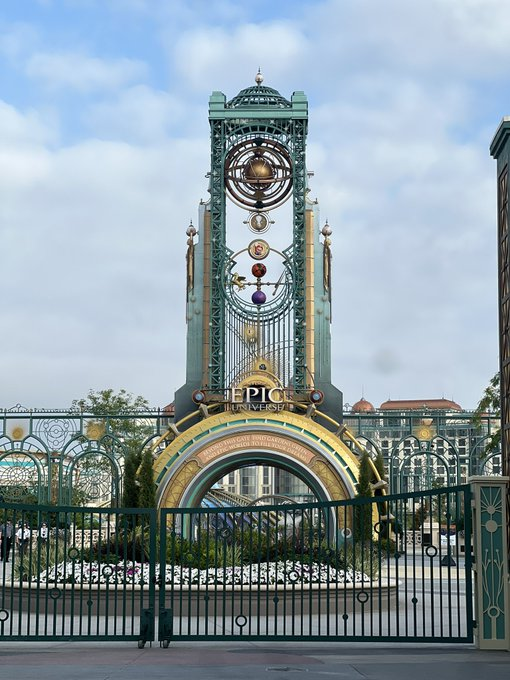
The opening of Epic Universe isn’t just a new theme park—it’s a watershed moment. For Orlando. For the theme park industry. And most of all, for Disney.
For the first time in decades, Disney is no longer the uncontested leader in innovation, storytelling, or guest experience. And this isn’t a minor disruption. It’s a tectonic shift in an industry Disney has ruled for generations.
A New Era of Competition

Epic Universe is expected to inject $2 billion into Orlando’s economy in its first year alone. With over 50 attractions, five fully realized lands, three on-site hotels, and a next-gen blend of live entertainment, dining, and immersive tech, this isn’t just an expansion.
It’s a rival ecosystem—a destination resort that stands toe-to-toe with Disney’s once-unchallenged empire.
The numbers are staggering:
- Over 17,500 jobs created
- An estimated $11 billion economic impact over the next decade
- A redefined tourism experience for the 74+ million annual visitors to Orlando
This time, Universal isn’t just sharing the stage. It’s reconstructing the script:
- More guests splitting time between parks
- More hotel stays outside the Disney property
- And most crucially: a new generation bonding emotionally with Universal, not Disney
This isn’t just competition. It’s a philosophical shift in how guests define magic.
The Shifting Guest Mindset

Today’s theme park guests aren’t just picking thrill rides—they’re choosing experiences that reflect their values. They want immersion, interactivity, and personalization—and they’re seeing Universal deliver on those fronts with fewer hoops and more heart. Even legacy Disney influencers—once unshakably loyal—are now openly excited about Epic Universe. That’s not just a trend. It’s a signal.
Who Wins This New Battle?
In the short term, one answer is clear: the guests win. Because this rivalry means better pricing, smarter innovation, higher creative standards and renewed focus on guest-first design and original storytelling
But only if Disney responds. To remain relevant, Disney must reclaim its original mission—to innovate, to inspire, and to surprise. Because if it doesn’t, Epic Universe won’t just be a competitor. It will become the new gold standard. A shift this seismic doesn’t just rewrite playbooks. It rewrites history.
And the question now—one the entire industry is watching—is simple: What happens next?
Final Thoughts

So here we are—at a crossroads in the theme park world. Epic Universe is rising fast, setting a bold new standard in creativity, immersion, and guest-centered design. Meanwhile, Disney, the long-reigning king of themed entertainment, faces a reckoning. Nostalgia, brand loyalty, and decades of storytelling magic aren’t enough anymore. Today’s guests are smarter, more value-conscious, and more willing than ever to vote with their wallets.
The question now isn’t just:
Can Disney compete?
It’s: Does it want to?
Can a publicly traded entertainment giant rediscover the creative spirit that once made it the industry’s North Star? Can it stop chasing trends, trimming budgets, and pleasing shareholders long enough to chase wonder again?
I’ll leave you with a phrase that’s never felt more relevant:
“Actions speak louder than words.”
In an industry built on magic, promises aren’t enough. Guests want proof. The next few years will reveal whether Disney has merely lost its way—or if it has the will, and the courage, to find it again.
Now it’s your turn.

What do you think? Has Disney still got the crown—or has Universal taken the lead?
Are you planning to visit Epic Universe? If so, will it change how you view Disney?
Share your thoughts. Your memories. Your hopes.
Because this isn’t just about theme parks. It’s about the stories we choose to believe in and the ones we want to experience next.
Editorial Note
Just to clarify—I’m not a theme park expert or industry insider. I’m not being paid as an influencer. I’m just a regular theme park fan who follows the trends, listens to the news, and dreams about where to go next.
As a young adult male, I’m always looking for places where I can escape reality, unwind, and feel transported, without stress.
This is just my perspective, and I’m grateful to have a space to share it.
Thanks for reading.
~ HyraxNixus














































 Touristician