The headlines have been busy these first few months of 2025 with yet another major player in the hotel scene making an announcement on new developments. In a recent press release, IHG Hotels & Resorts introduced the future-ready Generation 5 concept for Holiday Inn Express, set to revolutionize its public spaces across Europe, the Middle East, Asia, and Africa (EMEAA).
Before we get into my personal thoughts and reactions, let’s dive into a brief recap of what Generation 5 is all about.
Future Ready – Generation 5
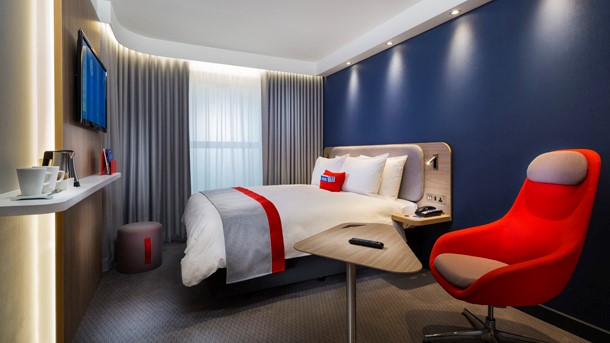
It is clear the focuses on the new design are all centered around guest experience, diversity and inclusivity. The Generation 5 design reflects insights from extensive research into traveler preferences, including the demand for experiential and sensorial spaces. With zones like the EXPRESS Café & Bar and Focus Studio, guests can socialize, relax, or work in vibrant settings tailored to their lifestyles. Smart guest room features, such as ergonomic workspaces, ample USB ports, and Smart TVs, complement the elevated public spaces.
Each hotel will incorporate elements that reflect its local destination, ensuring a distinct sense of place. Moreover, IHG collaborated with a disability task force to create public spaces that are inclusive and accessible, catering to diverse needs and fostering a welcoming environment for all.
The Generation 5 design also focuses on offering flexibility and cost-effectiveness for hotel owners. Its scalable layout allows for easy adaptation across different locations while keeping costs manageable. This ensures that owners can maintain strong financial returns without sacrificing the high-quality standards Holiday Inn Express is known for.
When asked about his thoughts on the new design, John Wright, Vice President of Mainstream Brands for EMEAA at IHG had this to say:
“Generation 5 is a premium, vibrant, and dynamic design that leans into a lifestyle vibe that’s on trend. It’s playful and distinctive nature defines the witty personality of Holiday Inn Express, while its flexibility ensures each hotel reflects a sense of place.”
Generation 4 vs Generation 5:
Holiday Inn Express first introduced its Generation 4 design in 2016, focusing on modernizing guest rooms and public spaces with smarter layouts, improved service delivery, and enhanced technology. While it set a new standard for efficiency and comfort, Generation 5 takes things a step further by creating more dynamic, flexible, and experiential public spaces that cater to evolving traveler expectations.
Here’s how Generation 5 builds upon and improves the previous design:
More Experiential Spaces – Generation 5 introduces zoned public areas like the EXPRESS Café & Bar and Focus Studio, designed for socializing, working, and relaxing. Generation 4 emphasized functionality, but the new design brings a more vibrant, lifestyle-focused atmosphere.
Greater Flexibility – The new design allows hotel owners to adapt and scale spaces based on location and market needs while remaining cost-effective. Generation 4 was more standardized, whereas Generation 5 offers more local character and customization.
Enhanced Guest Engagement – Research shows travelers today want spaces that encourage connection and comfort. Generation 5 delivers this through inspiring aesthetics, multi-use furniture, and tech-forward features, making public areas feel more inviting.
Stronger Sense of Place – Unlike Generation 4, which had a uniform look, Generation 5 embraces local design elements, giving each hotel a unique identity while staying true to the Holiday Inn Express brand.
Inclusivity & Accessibility – Generation 5 was developed with insights from a disability task force, ensuring public spaces are more accessible and easier to navigate for all guests.
While Generation 4 modernized the Holiday Inn Express experience, Generation 5 reinvented it to deliver a smarter, more engaging, and future-ready hotel stay.
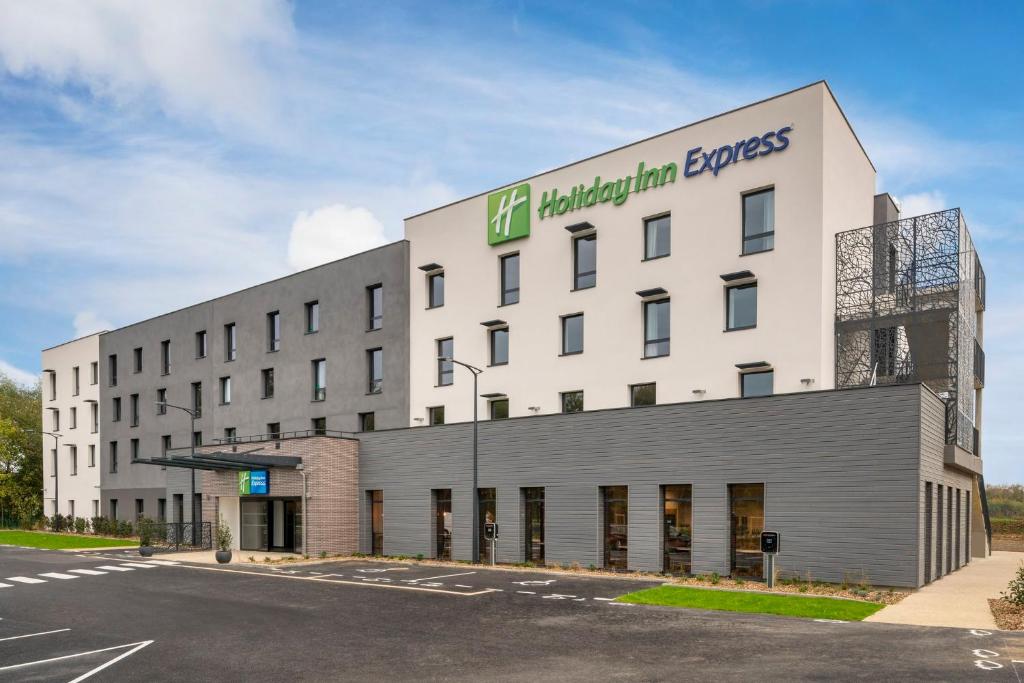
Examples of Generation 4 designs throughout Europe.
Deep Dive Into Generation 5 – Thoughts
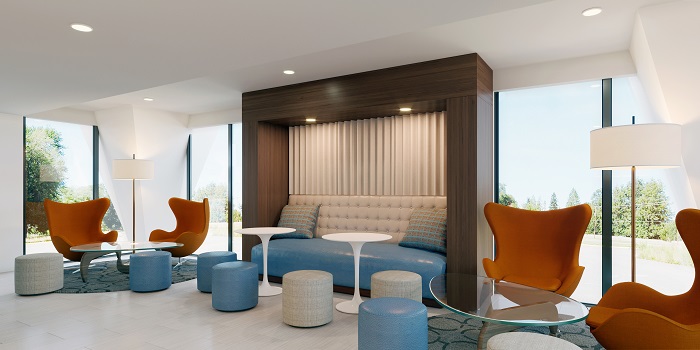
Being brutally honest, this has to be one of the ugliest and most awful hotel designs I have ever seen. It looks like one of those really cheap and tacky home decor stores filled with cheap stuff that is “modern.” Look, I totally understand that outside of North America, there are different markets, each with its own specific demographics or preferences suited to that market. But this is just honestly bad.
I feel as though the thought process behind it is good, but the execution is very poor. From looking at some of the concept art, it makes the hotel look more like an elementary school or preschool than a hotel. At least with the previous generation, when it added in bold splashes of color, natural tones, and more of an artistic flair, it looked more like a hotel and was well done. I think there needs to be evolution and adaptation, but I don’t think this is the way to go.
I am all for making hotels not so cookie-cutter, but at the same time, I feel like as a brand, there needs to be some standardization and not too much deviation from the brand. It feels like Holiday Inn Express is trying to be something that it is not. It feels like they are trying to be more like a lifestyle hotel brand like Moxy, where they focus heavily on community, local design, and communal spaces.
To be very clear, I am in no way at all knocking this design because it was designed with inclusiveness and accessibility in mind. I am more critiquing and criticizing the actual design, such as furniture, color, and décor choices. I am all for designing spaces that work for everyone, but I think the final product just doesn’t look good like how you would expect from a Holiday Inn Express.
Final Thoughts
While the Generation 5 concept aims to offer innovative spaces that cater to modern traveler needs, the execution raises questions about the balance between creativity and brand identity. As the hospitality landscape continues to evolve, it’s crucial for brands like Holiday Inn Express to adapt while still maintaining the core essence that guests expect.
Ultimately, design should evoke a sense of comfort and familiarity, serving not only to attract new customers but also to reassure loyal patrons. The future of travel accommodation lies in thoughtful integration of local flair with brand consistency and guest-centric approaches. As we move forward, it will be interesting to see how this new design is received by travelers and how it influences the broader hotel industry. Only time will tell if Generation 5 can truly redefine what a Holiday Inn Express should embody.
Stay tuned for the first look at Holiday Inn Express Generation 5 when it opens in 2026!
Within the past two years, we’ve seen an explosion of new hotel brand development and rapid advances in the way we travel. One of those new found changes is extended stay hotel brands such as Home2 Suites, Residence Inn, Hawthorn Suites, Hyatt House and more.
An extended stay hotel offers guest rooms with larger living spaces, kitchenettes and additional amenities you wouldn’t find in a traditional hotel room. These types of hotels are aimed at travelers or guests staying for longer periods of time while offering the comforts of home.
Extended stay hotels are nothing new to the industry, and have actually been around for several decades. During and after the pandemic, extended stay hotels have grown rapidly and quickly became the fastest growing segment in the hotel industry.
With all this new found expansion and an already crowded hotel market, brands like Marriott, Hilton, Hyatt and even Wyndham have developed new brands to capitalize on the growing market and expand their reach. In today’s post, we will be taking an in-depth look at some of these newly created brands, how they plan to differentiate themselves and what we can expect as consumers from these new brands. First up, LivSmart Studios by Hilton!
LivSmart Studios by Hilton:
Back in May of 2023, Hilton teased it was in the process of developing a new extended stay hotel brand with Project H3.
“After much anticipation, we’re thrilled to announce that LivSmart Studios by Hilton is official,” Isaac Lake, brand leader of LivSmart Studios, said in a statement. “With a resilient $300 billion workforce travel market, the extended-stay segment continues to grow. It has never been as primed as it is now for this long-stay brand, and we’re thrilled with the initial excitement we’ve received from owners.”
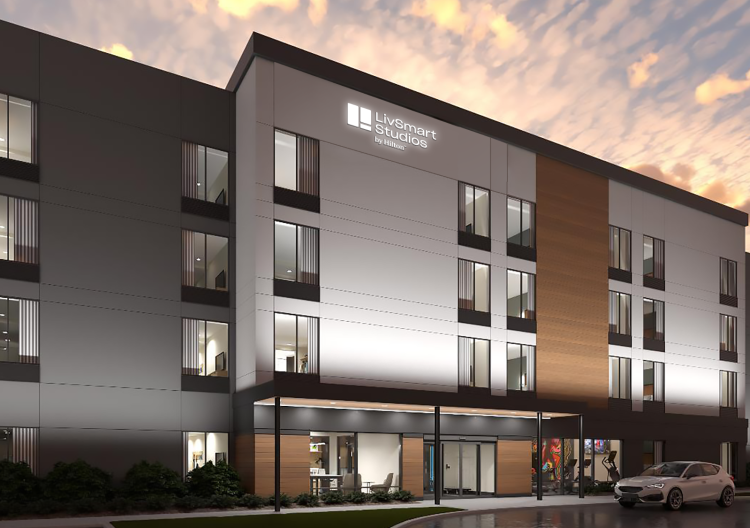
LivSmart Studios by Hilton will be aimed toward travelers and guests looking to spend about 20 nights or more at a time. Each location will feature communal common areas such as fitness centers, laundry areas and outdoor spaces with grills as well as fire pits. Hilton previously announced there would be free breakfast with grab-and-go items.
Rooms will be designed and furnished like Apartment-style studios. Each will feature fully-equipped kitchens with full-size refrigerators, dishwashers, microwaves, two-burner stove tops and plenty of storage. Multipurpose furniture in the guest rooms will create versatile spaces for working as well as relaxing and, of course, sleeping
It is reported that the first location should be open for business by the end of this summer in Kokomo, Indiana.
StudioRes by Marriott:
Prior to Hilton announcing Project H3, Marriott announced Project MidX Studios, another extended stay brand it would be adding to its 30+ brands. For context, Marriott already has four extended stay hotel brands, including:
Residence Inn by Marriott, where all rooms are suites and feature kitchens, with complimentary breakfast and an evening happy hour.
TownePlace Suites by Marriott, where rooms range from studios to two bedroom suites, and feature kitchens; Marriott describes this brand as being for “the Upbeat Realistic traveler”.
Element by Westin, where rooms range from studios to one bedrooms suites and feature kitchens, with complimentary breakfast and an evening happy hour; this is typically higher end than Residence Inn and TownePlace Suites
Marriott Executive Apartments, which is the closest thing in Marriott’s hotel portfolio to an apartment-style accommodation
Looking at the StudioRes design, it shares similarities to that of Hilton’s design however, I personally feel this design is very bland and slapped together for the sake of it. Marriott seems to be aiming at attracting more owners/operators with a cheaper startup and operational brand rather than improving on a niche market concept that can benefit potential new guests.
StudioRes will have a focus on the United States and Canada, with the most affordable cost-per-room product for developers, intended to accelerate speed-to-market, with a low cost to build. For a property with 124 keys, the model targets a build cost of $13-14 million, with around 54,000 square feet of total building area. The brand will also have a light operational cost model for owners and franchisees, meaning you can expect these hotels to not have many amenities.
Comparing this to the previously discussed Hilton design, I feel as though the Hilton design is way more put together and actually feels more detail oriented, has that service standard Hilton is known for and is overall a better concept. I feel like this concept is just pinching pennies and could honestly use more time and effort in development. Just looking at the concept art, it looks very rushed and slapped together. The exterior rendering doesn’t even look like a hotel at all. Plus why is there no bathroom rendering? Does this mean we are going to get a cheaply slapped together bathroom?
On many online threads, there are several loyal Marriott guests commenting on the company’s massive growth and inability to balance between developing its newer brands and keeping its older brands afloat.
“I get that the big hotel companies need a lot of brands to justify growth. But what happens to the old brands? I don’t see anyone really building and opening new Alofts anymore. That brand seems to be just existing. I stayed at the Aloft in Wichita last year. It felt like walking into a W property circa 2006. It was a hip concept back then, but felt very dated and just completely out of place in Kansas. What about Four Points? Is anyone really building and opening new Four Points properties? I actually think that Four Points is a better brand than Courtyard but Courtyard seems to be what developers want to build when they want something more than a Fairfield but something less than a more upscale brand. At some point, Marriott has to discontinue old brands and convert existing properties to something else. I’ve noticed that a tremendous number of 1970s and 1980s Marriotts have become Delta in recent years”.
Overall, I have to say I am extremely disappointed with their concept and effort they put in. Considering Marriott wants to create a concept for extended stays for 20+ room nights, their concept doesn’t stand out or incorporate anything innovative or new. I personally think this is very lazy and sad since the company is well known from the start for being innovative and groundbreaking when it comes to hotels. I just don’t see that from this concept at all. Marriott already has Marriott Executive Apartments and those are lightyears better. You would think you would want to top that concept especially if you want to create a whole new hotel brand from it. I just don’t see how Marriott, who is known for high standards and the details, is okay with this concept.
Hyatt Studios:
Before we get into Hyatt’s new brand, a quick note, compared to the previous two concepts, this concept is a more traditional extended stay brand not an apartment style, long term stay brand. Hyatt announced its new brand in April of 2023, in order to grow the company’s portfolio, guest base and tap into this new found exponential growth of extended stay hotels.
“We are proud to launch the Hyatt Studios brand and bring the high-quality experience and level of care promised by the Hyatt brand to smaller markets and submarkets where we don’t have Hyatt hotels,” said Jim Chu, chief growth officer, Hyatt. “We identified a white space for Hyatt, creating a compelling opportunity to significantly accelerate our industry-leading net rooms growth, care for World of Hyatt members on more stay occasions and introduce World of Hyatt to new guests in a new segment which we expect will drive increased direct bookings for all properties across the Hyatt portfolio.”
Guestrooms will marry form with function and offer suites with kitchen amenities to provide comfort during extended trips away from home. The Hyatt Studios food and beverage experience will include a complimentary grab-and-go breakfast and a best-in-class, 24-hour market with a wide variety of options to satisfy extended-stay guests – from health-conscious snacks and ready-made meals to sweet and savory staples to fulfill travel cravings, all of which can be prepared and enjoyed in the guestroom’s kitchen featuring a multi-function convection microwave.
One major thing that sticks out for me is how Hyatt states “the brand is designed to be flexible based on developer needs”. Personally, I feel a brand should be designed for the guests experience, efficiently and ease to operate. Basically, what I’m getting out of this is there will be little to no form of brand standards.
The specific relevant content for this request, if necessary, delimited with characters: Room design wise, much like Marriott, it seems very slapped together and bland. There is no pop of color or anything exciting to draw you in. While I get a kitchenette takes up a lot of room, why does it seem like the kitchen is weirdly placed in the middle of the room? Seems like they took a standard Hyatt room and slap a kitchen inside with a tiny closet. If this is supposed to be an extended stay brand, why does it lack storage options? Is it possible they just forgot that detail in the rendering or is it totally forgotten? Also notice how we don’t even get a rendering of the bathroom? Does this mean we are going to get a cheaply slapped together bathroom?
Final Thoughts:
One thing that is an immediate red flag for me as well is despite being different concepts, all three of the exterior renderings all suspiciously share the same color scheme and similar design.
Despite this, I personally think the Hilton design is the most throughout, detailed and most guest oriented. Seems like Hilton is more focused on the guest experience instead of putting the developer first. While I get designing a new hotel prototype to minimize the start-up and operational costs makes sense, it shouldn’t be at the guest’s expense. This is just one of the many reasons Hilton always wins me over compared to Marriott, Hyatt and IHG.
It’ll definitely be interesting to see how each of these brands expands and grows as time goes on. Will these concepts be well received or will there be massive changes made? Only time can tell.
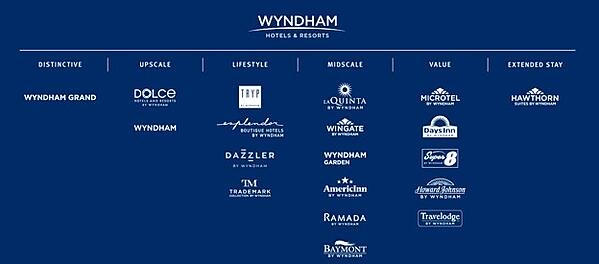
Wyndham Hotels & Resorts, Inc. is a hotel company headquartered in Parsippany, New Jersey. The company is known as the largest hotel franchiser in the world, with 9,280 locations across 22 unique brands. Some of those brands include the well established Howard Johnson, Days Inn, Ramada, Super 8, Travelodge, Baymont, La Quinta, and Wyndham. There is partially a brand for every market out there (economy, extended stay, full service, luxury, etc.)
So what’s the problem with Wyndham? Well, many of these brands are very established meaning many locations are very old, outdated and are becoming less appealing. Throughout the years as Hilton, Marriott, IGH and many others rolled out new designs, updated their brands and upped their standards, Wyndham just fell silent and kept on going. So, now many of these brands across the country are becoming less appealing due to this. Another reason for this is with these brands being franchises, it also means on top of being outdated, some locations aren’t run very well giving Wydnham a bad image. Lastly, the standards Wyndham has are very soft compared to what other companies have. They are jokingly called the “relaxed” hotel company which ties into the first point made above.
All these factors give Wyndham a poor image. However, it is worth pointing out that not all locations or brands are terrible. It all boils down to the ownership and management at that particular location. Between 2018 and 2021, Wyndham finally woke up and came out with new concepts, updated designs and rolled out new standards. In today’s post we will be taking an in depth look into Wyndham Hotels & Resorts most recent brand prototypes and what the future holds for some of these brands. So without further ado, let’s jump into our first brand!
Days Inn – Bask in the Sun
The Days Inn brand was founded in 1970 by Cecil B. Day, who opened the first location in Tybee Island, Georgia. From the very start, this brand was innovative and creative with playing with new concepts and ideas. For example, when the second location was constructed, it featured a restaurant and gift shop combination called Tasty World. In addition to this, the hotel also had on-site gasoline pumps to sell unbranded fuel to motel guests. Days Inn was one of the first hotel chains to offer discounts to senior citizens. It was also among the first to locate its properties along suburban and rural exits on the Interstate Highway System, as opposed to more urban locations.
The brand is now a part of the Wyndham Hotels and Resorts, headquartered in Parsippany, New Jersey. As of December 31, 2018, Days Inn includes 1,728 locations worldwide with 137,678 rooms.
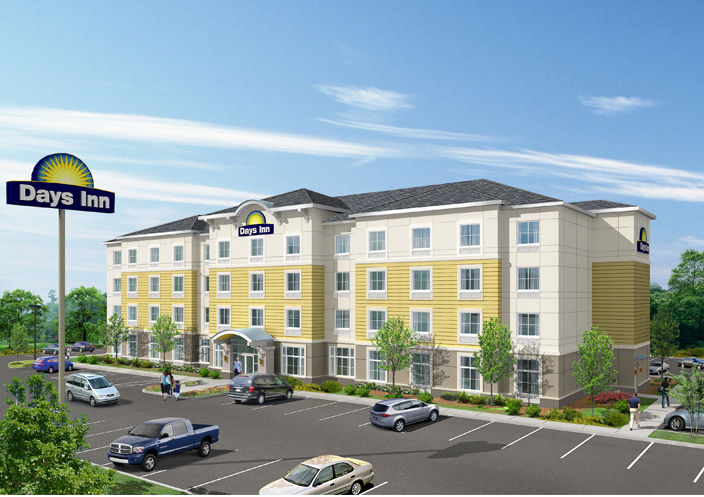
Throughout the years under Wyndham’s control this brand has fallen from its roots and just sat quite with no new room designs or innovations done. Pair this with very loose and poor quality control measures, the brand really has fallen to a cheap, hit or miss roadside motel brand. Finally, after many years in 2018, the brand announced it would be refreshing everything from room designs, branding and more.
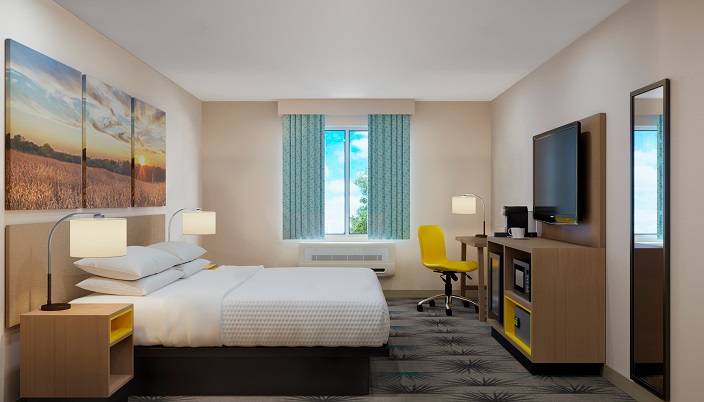
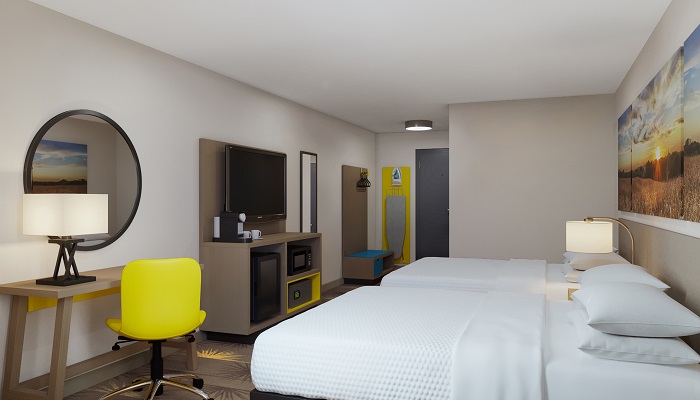
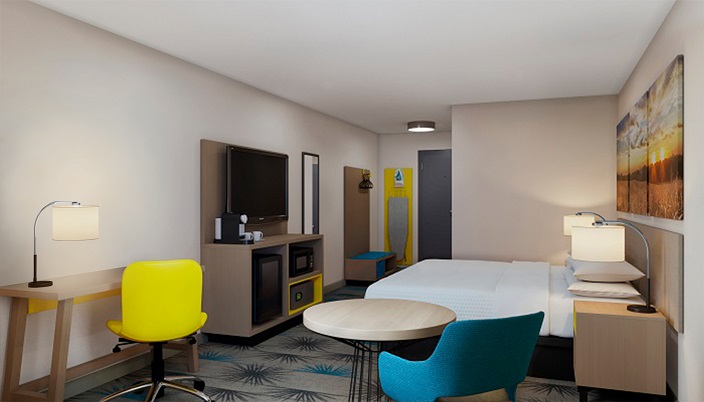
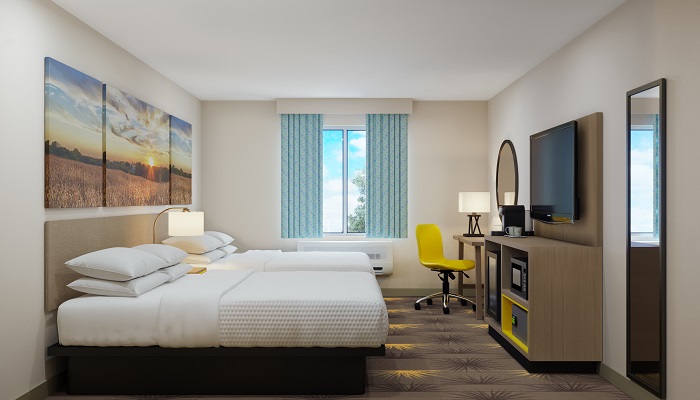
As someone who works for this brand, I have to say this new room design really excites me as it really embraces the original spirit of the brand and takes the color scheme of Days Inn and really builds on it. As someone really into marketing, I love when companies make subtle references to their brand by using their color scheme or logos in creative ways. I can definitely see, at least in my hotel, the rooms going for a higher rate once we roll out this design.
Howard Johnsons – Go Happy. Go Hojo.
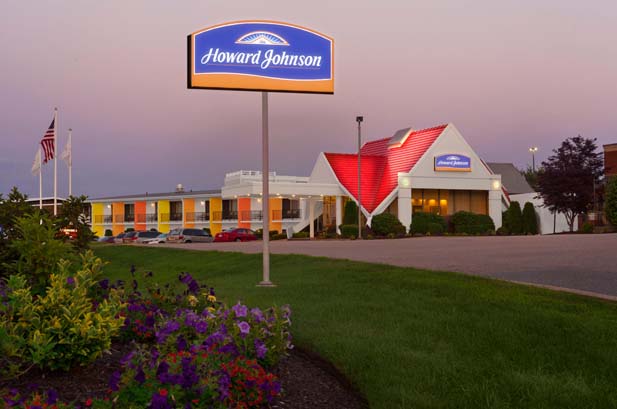
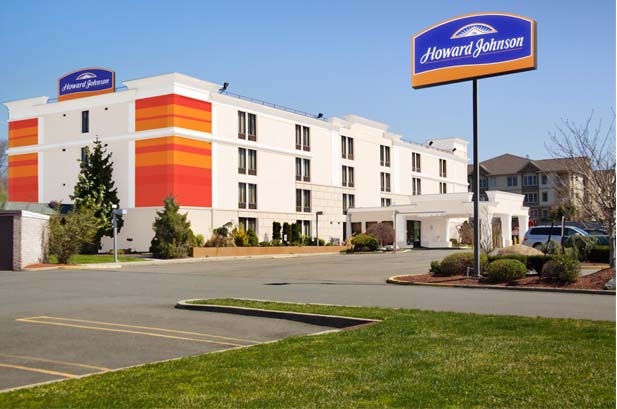
The history and story behind this brand is actually very interesting and a cool story to really take a look at. The Howard Johnson brand actually started as a chain of famous restaurants that were the first to sell 28 flavors of ice cream and create the classic diner experience we all enjoy today. Continuing to build on the very successful concept, Johnson began pairing new restaurant locations with lodging to target more travelers and families.
Sadly, much like many of Wyndham’s economy or mid-tiered brands, this brand has also suffered the same fate of falling far from its roots and developing a poor brand image. Perfect example, the Howard Johnson location not far from my hotel I work at is notorious for police activity, drugs, prostitution, and other questionable activities. The hotel really is a hive for all these troublesome people and activities. However, just because this one location is like this doesn’t mean they are all exactly like this. My point is many of these locations suffer similar issues while some locations are much better off. It honestly all depends on the operators and owners of the property.
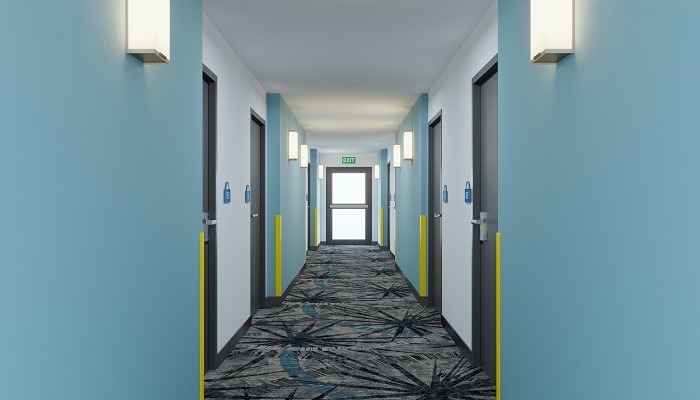
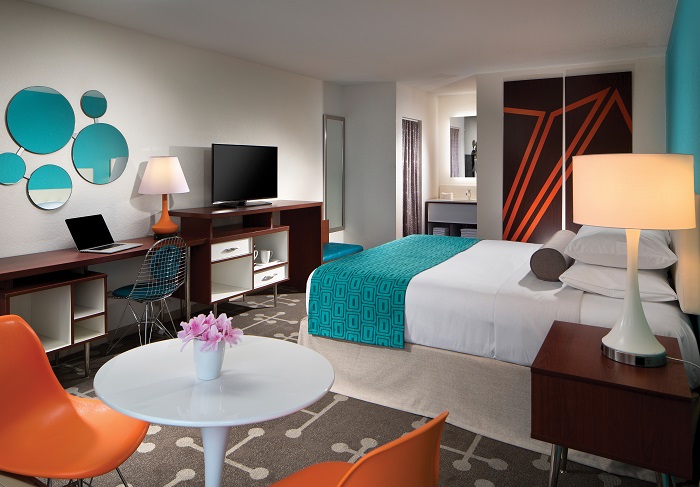
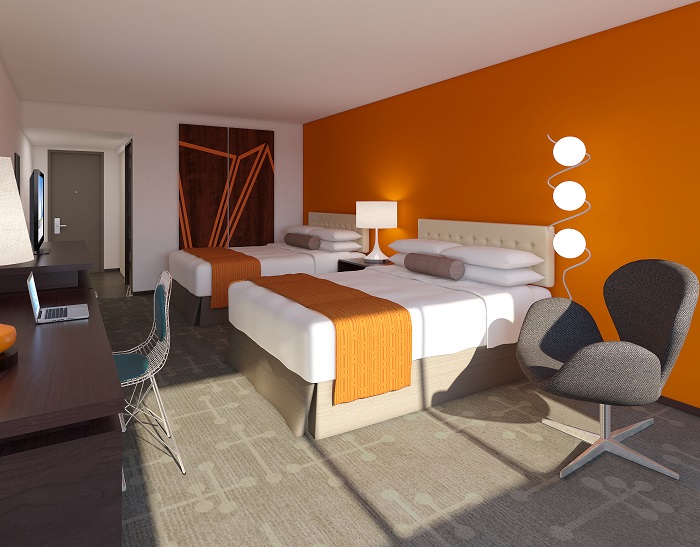
I have to say out of all the prototypes released, this is one of my favorites since it really takes the classic Howard Johnson style and brings it into the 21st century. It really reminds me of something you would see from HGTV or from one of those renovation shows. Like I mentioned above, the past few years this brand really has strayed far from its roots. I feel like this design really shouts Howard Johnson. One thing I do dislike about the design is I feel like there is way too much going on with the first design with the blue accent walls while in the other room there is too little going on. I feel like these designs clash with each other since one room has too much furniture, accents and decorations while the other is slightly too simple. Regardless this is 100% a major improvement over what the brand currently has.
Super 8 – See You On the Road
Ron Rivett and Dennis Brown created the new Super 8 Motel corporation with each of them owning 50% of the stock in the new company. Super 8 got its iconic name from how much a room used to cost back then, $8.88 which is about $50.00 in today’s money. The first Super 8, with 60 rooms, opened in Aberdeen, South Dakota, in 1974, built near a Holiday Inn with just some drawings made by Rivett as blueprints. The stucco exterior with an English Tudor style was inspired by Rivett’s father-in-law, who was a stucco; the English Tudor style and placing of Super 8’s near Holiday Inns was an established procedure for setting up new Super 8’s for years to come.
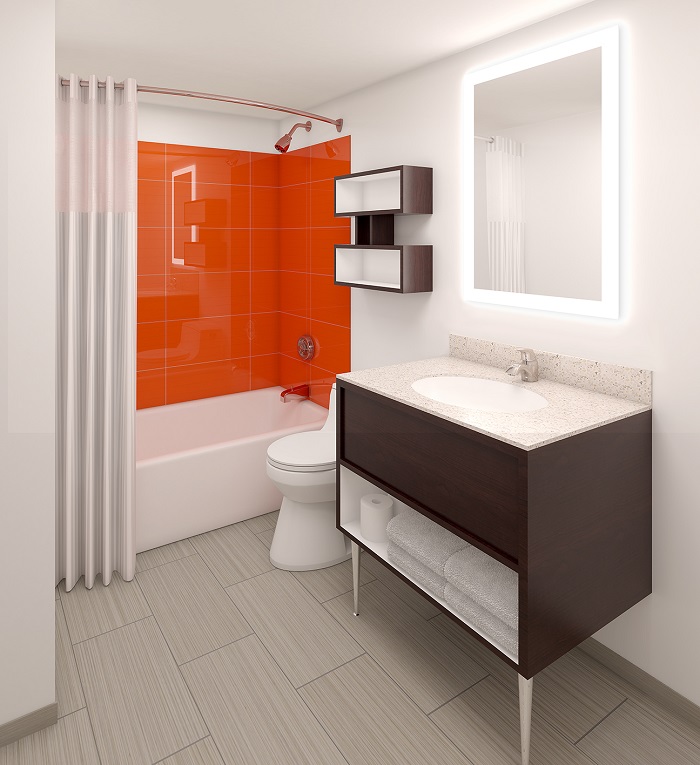
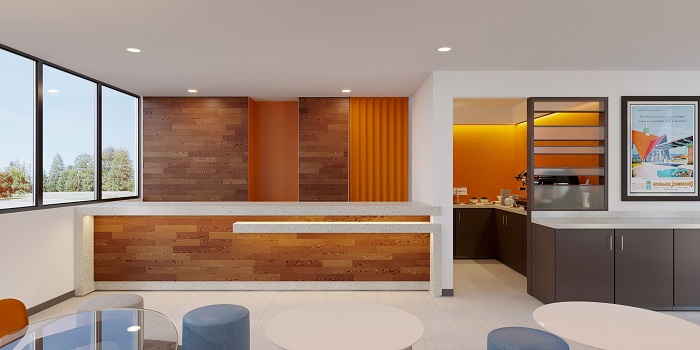
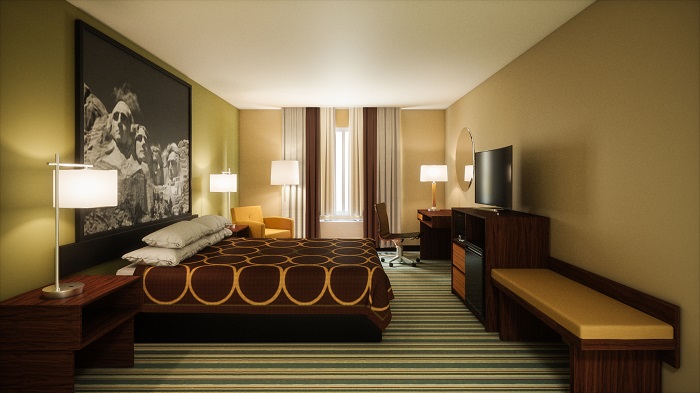
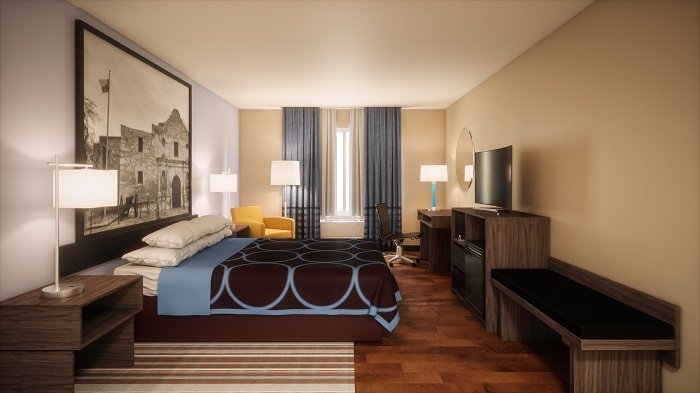
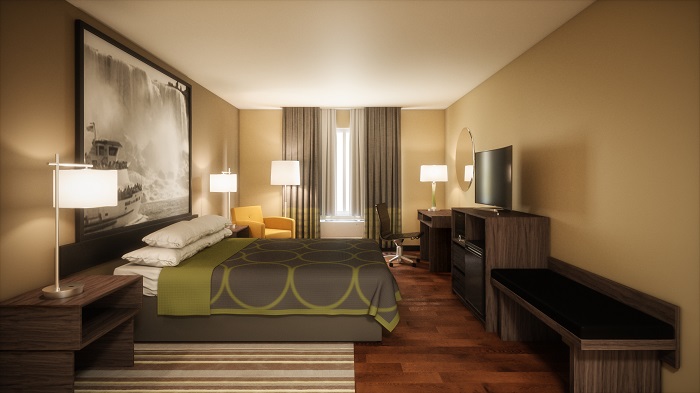
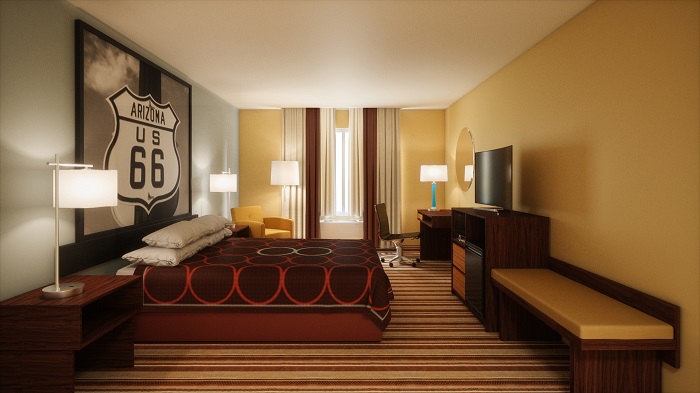
Out of all the prototypes I looked at that Wyndham released, these were by far my least favorite by a long shot. I feel like all they really did was take dull, drab and outdated and tweaked it barely. It really feels like these rooms are just more updated versions of old dated rooms. I feel like there could have been more effort put into these rooms. The color pallet in each variation feels too dark and clashes with everything else in the room.
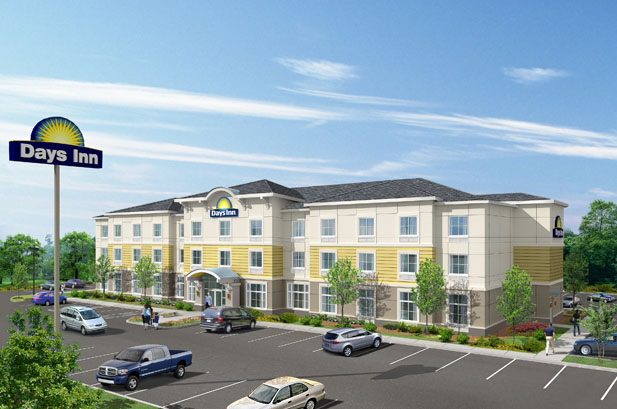
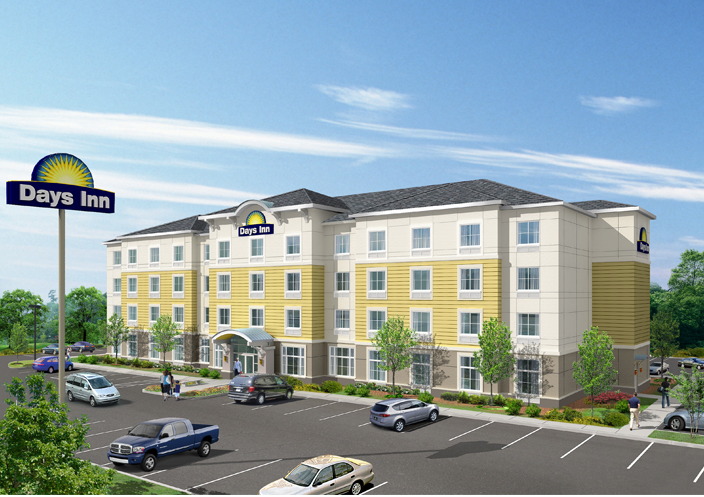
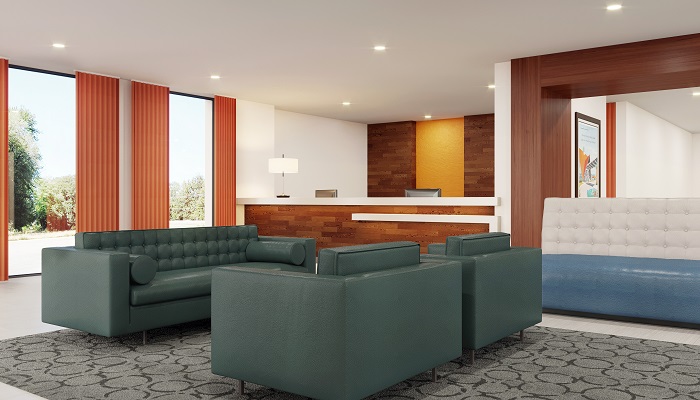
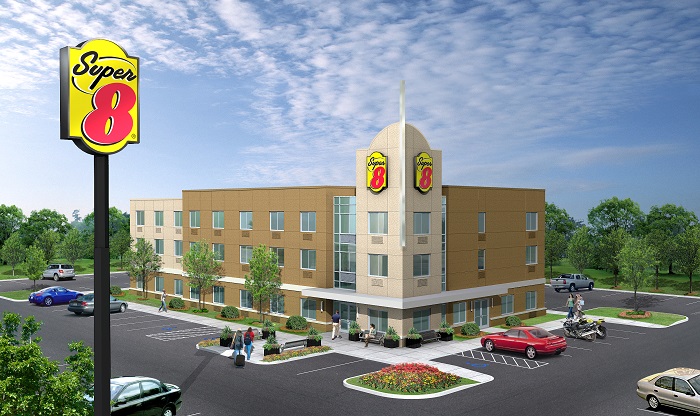
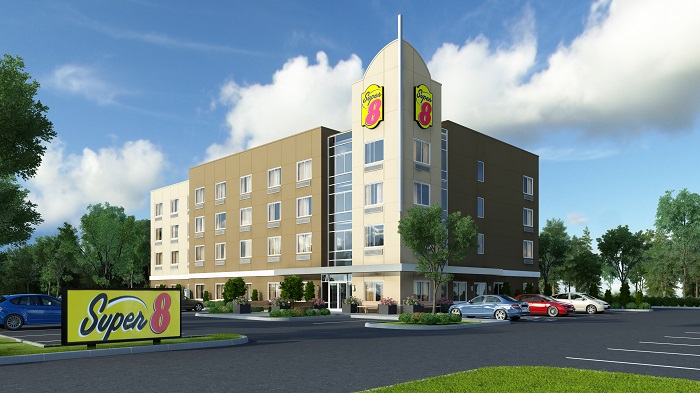
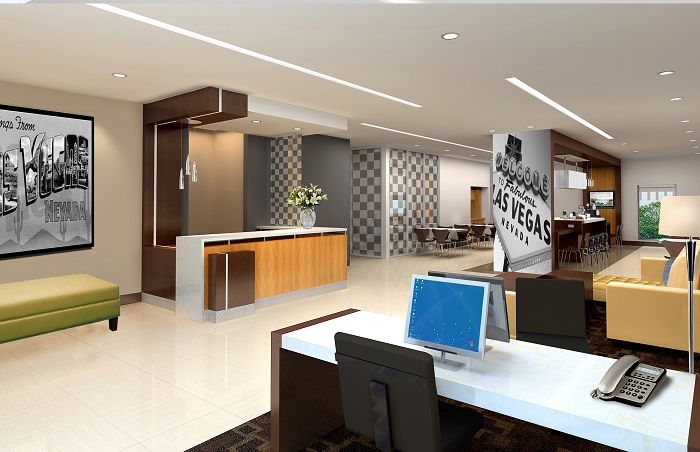
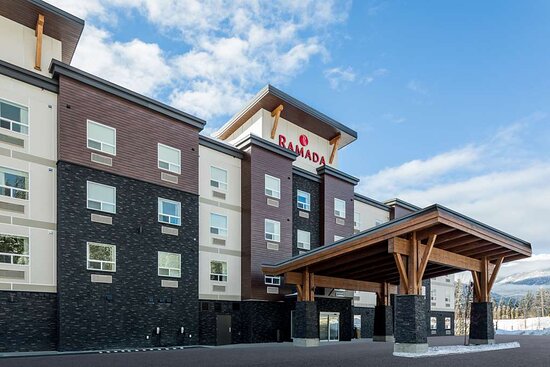
Not only did I feel like the interior was not amazing, the exterior was no better. If you look at the images of what new locations would look like, they look like an office building and not a hotel. While I do give them credit for trying to stand out from the standard box like design, I feel like they could have done a better job of making it look less office-like and more welcoming and relaxing like a hotel should be. Even the lobby also has an office building and commercial like atmosphere to it. Regardless, it is definitely a step in the right direction for the brand over what exists now.
Ramada
Like many of the brands we already discussed, Ramada also had very humble routes and was innovative from the very start. Founded by Marion W. Isbell with the investment help of Michael Robinson and Del Webb, the brand started in 1953.
Ramada opened its first hotel, a 60-room facility, on U.S. Route 66 at Flagstaff, Arizona in 1954 and set up its headquarters in Phoenix, Arizona, where the chain built the Sahara Hotel on North 1st Street downtown in 1956 (which later became the Ramada Inn Downtown) and a 300-room Ramada Inn in the 3800 block of East Van Buren in 1958 that would become the chain’s flagship property and headquarters.
Inspired by rival hotel chain Holiday Inn, Ramada seeked to develop a chain of roadside motor hotels conveniently located along major highways which would provide lodgings with hotel-like quality at near-motel rates plus amenities such as TV, air conditioning, swimming pools, and on-premises restaurants.
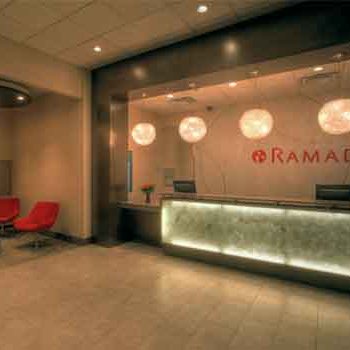
I always found Ramada an odd brand because it’s so widespread. Some locations have ballrooms, event space and are full service. Those are generally the nicer locations. Have an old school Hilton feel to them. Meanwhile there are also the select service locations that are just dumpy roadside motels.
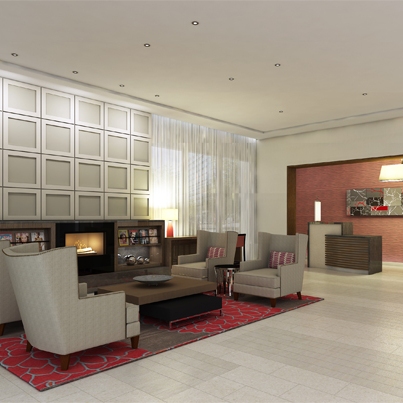
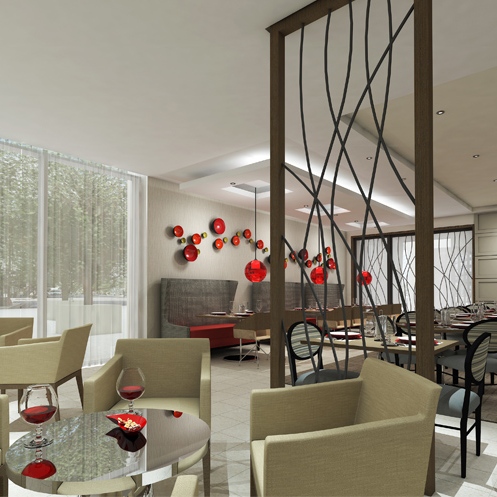
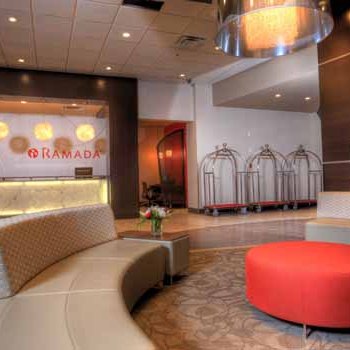
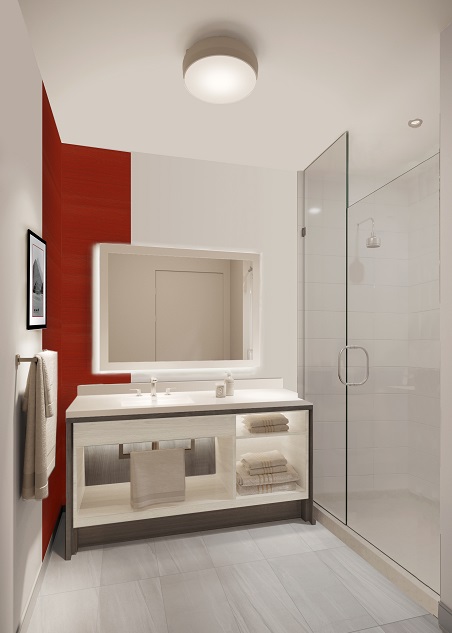
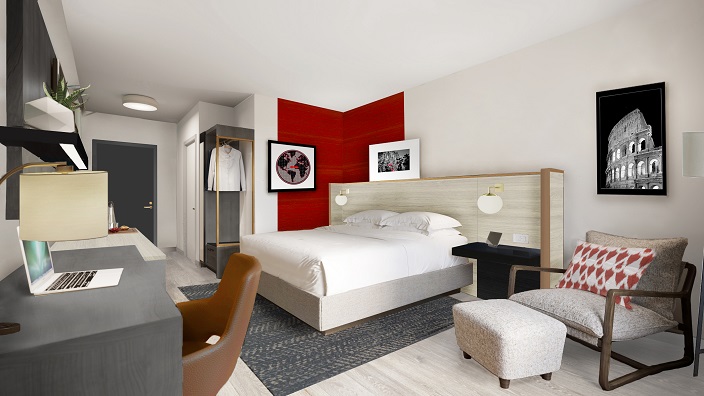
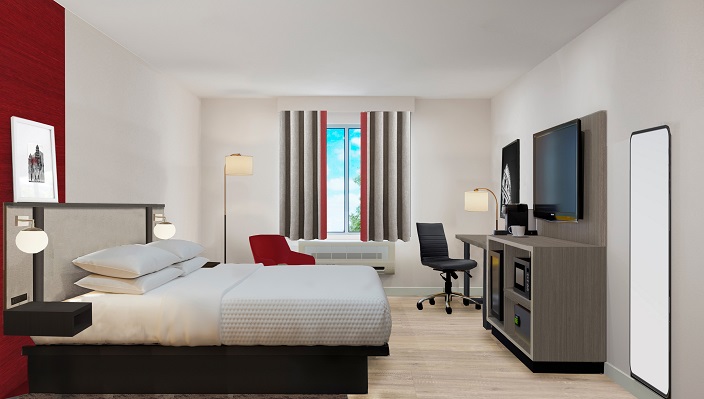
One thing I find interesting about Ramada is how much nicer the locations are in Europe, Canada and Asia. It just speaks volumes of where the brand currently is and what it hopes to be. Overall, I find the rooms are pretty much copy and paste from the Days Inn prototype. For Days, it works all the colors and the design. I think here it’s just too similar to Days. Also the design for Days Inn works since that is a select service/economy brand whereas Ramada is more of a full service midscale brand. I think Ramada is trying to be something it’s not. It’s trying to become like a Hilton, Marriott or IGH brand which it will never come close to.
AmericInn
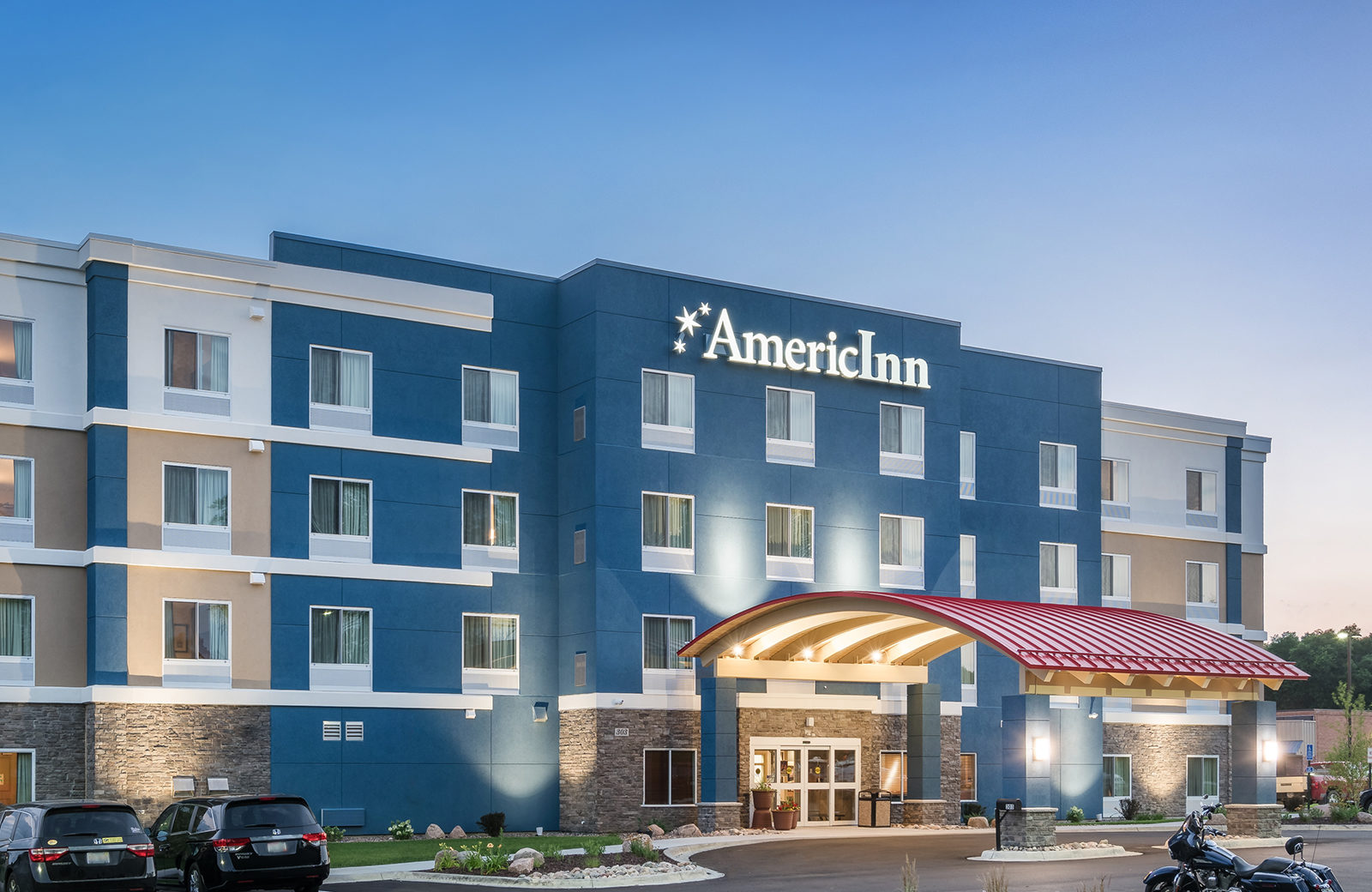
The AmericInn Franchise was founded by Jim Graves, and the first location opened in 1984. By 1990, there were more than 20 AmericInn properties located in Minnesota and Wisconsin. In 1994, AmericInn began franchising with the help of Wyman Nelson, an entrepreneur known for expanding the Perkins Restaurant and Bakery chain in the 1960s and 1970s.
Expansion outside the Midwestern United States began in 2000. AmericInn has 240 motels, with more than 80 percent of its locations in the Upper Midwest.
All AmericInn properties include a recreation area with pool and whirlpool, as well as fourteen different types of guest rooms. A complimentary hot breakfast, called “AmericInn Perk,” is also offered at each hotel and includes bacon, eggs, biscuits and gravy, waffles, pastries, cereals, juice, and fruit. Rooms are built with masonry block, sound deadening foam and heavy drywall between rooms, as well as concrete slabs, to minimize noise within rooms.
Wyndham Hotels & Resorts acquired the brand in July 2017.
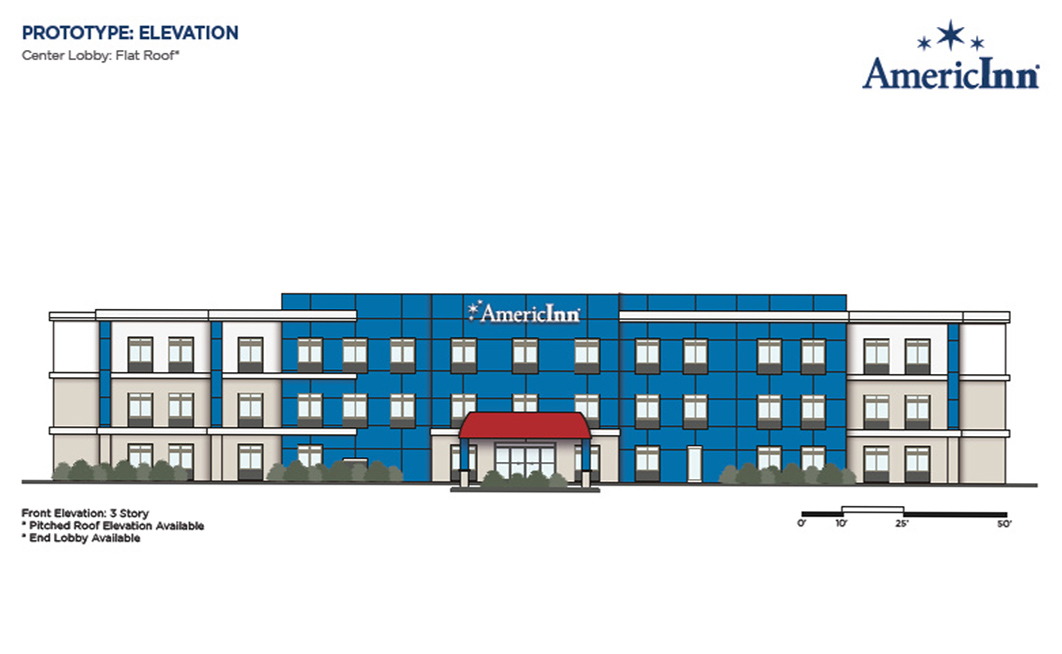
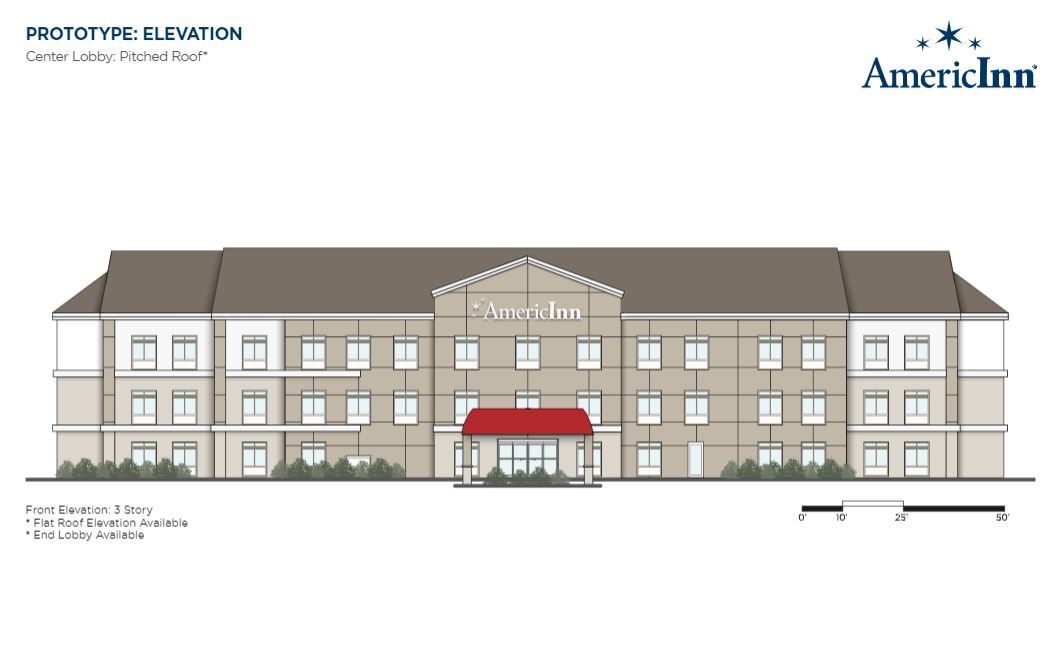
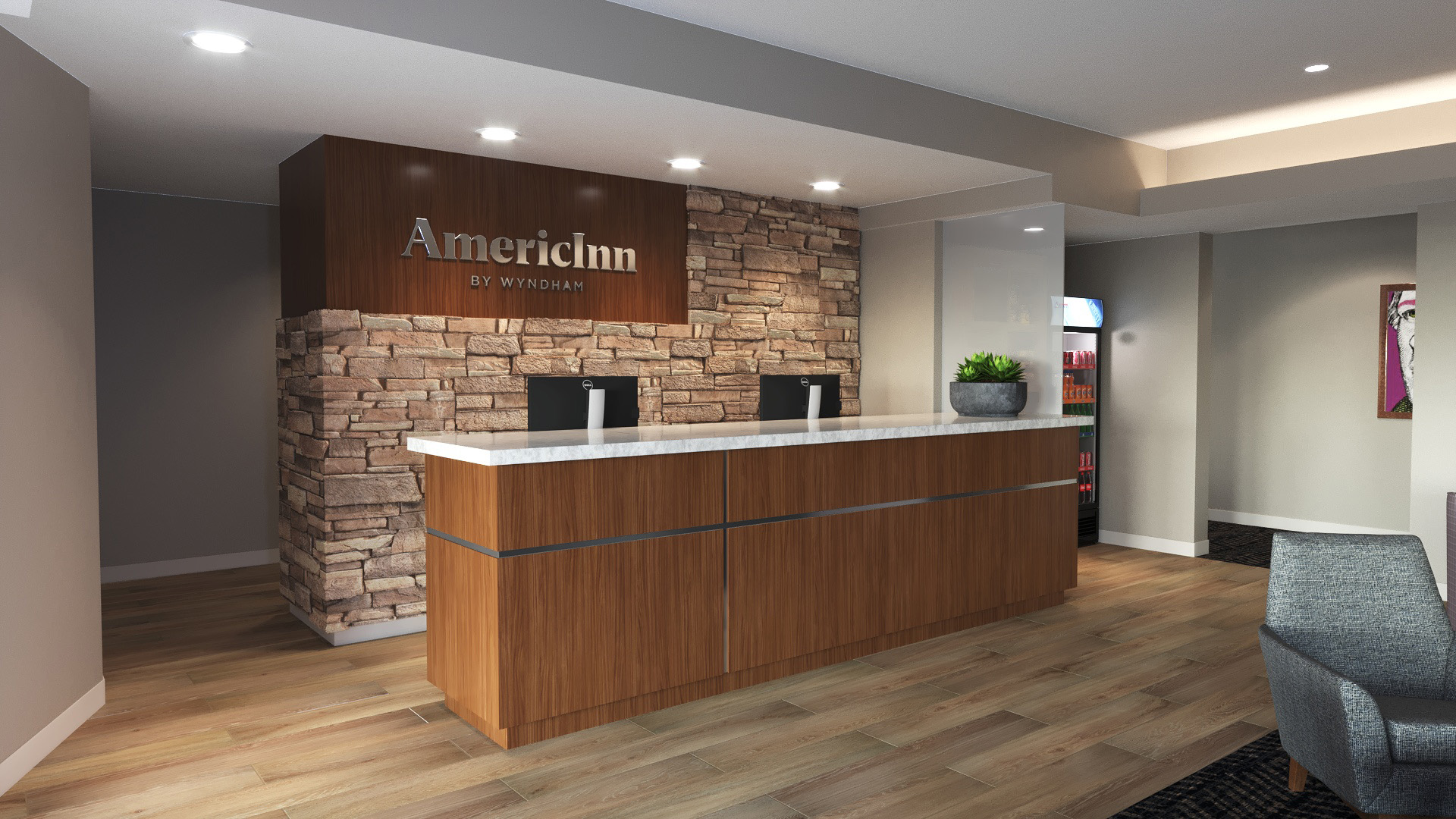
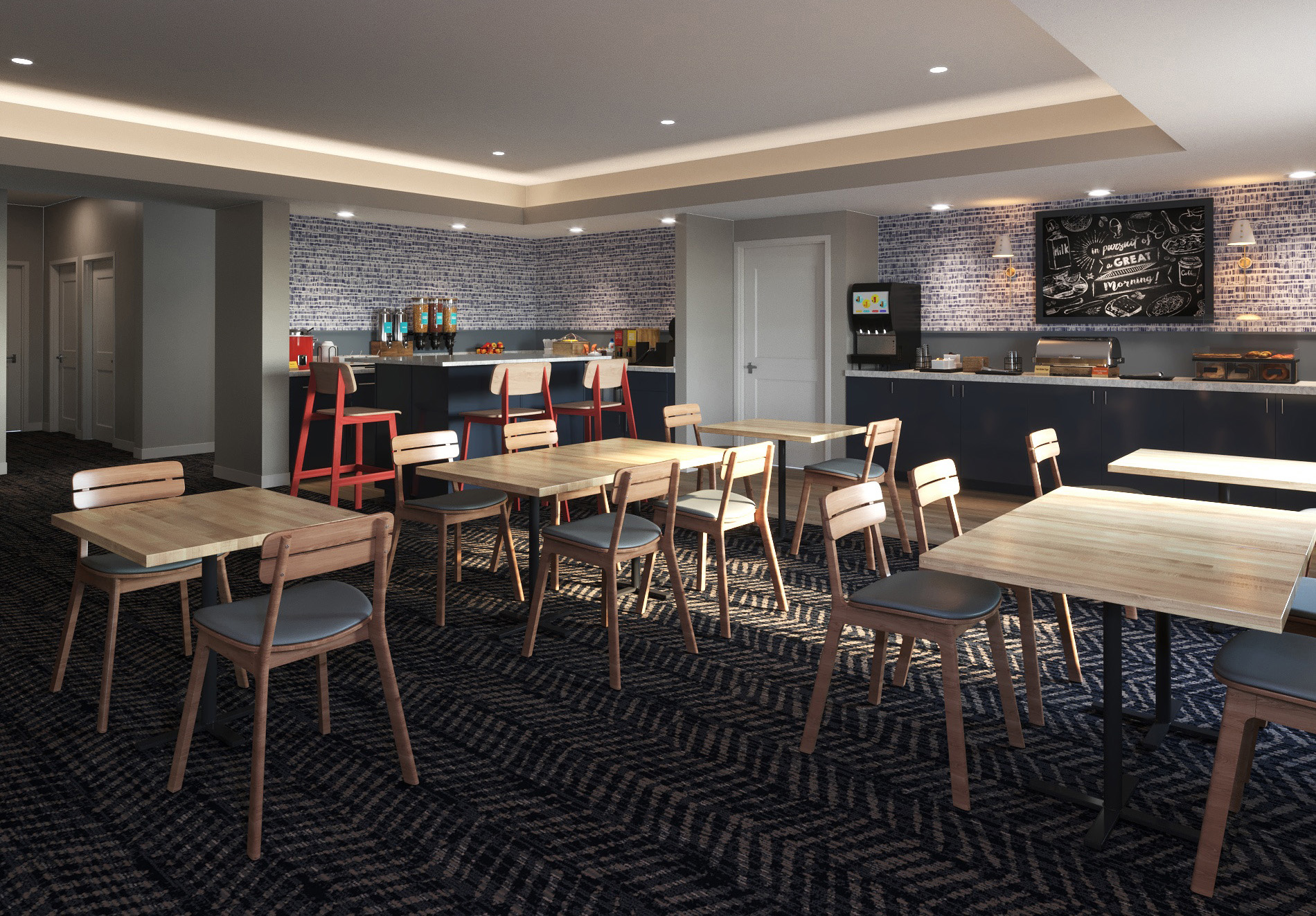
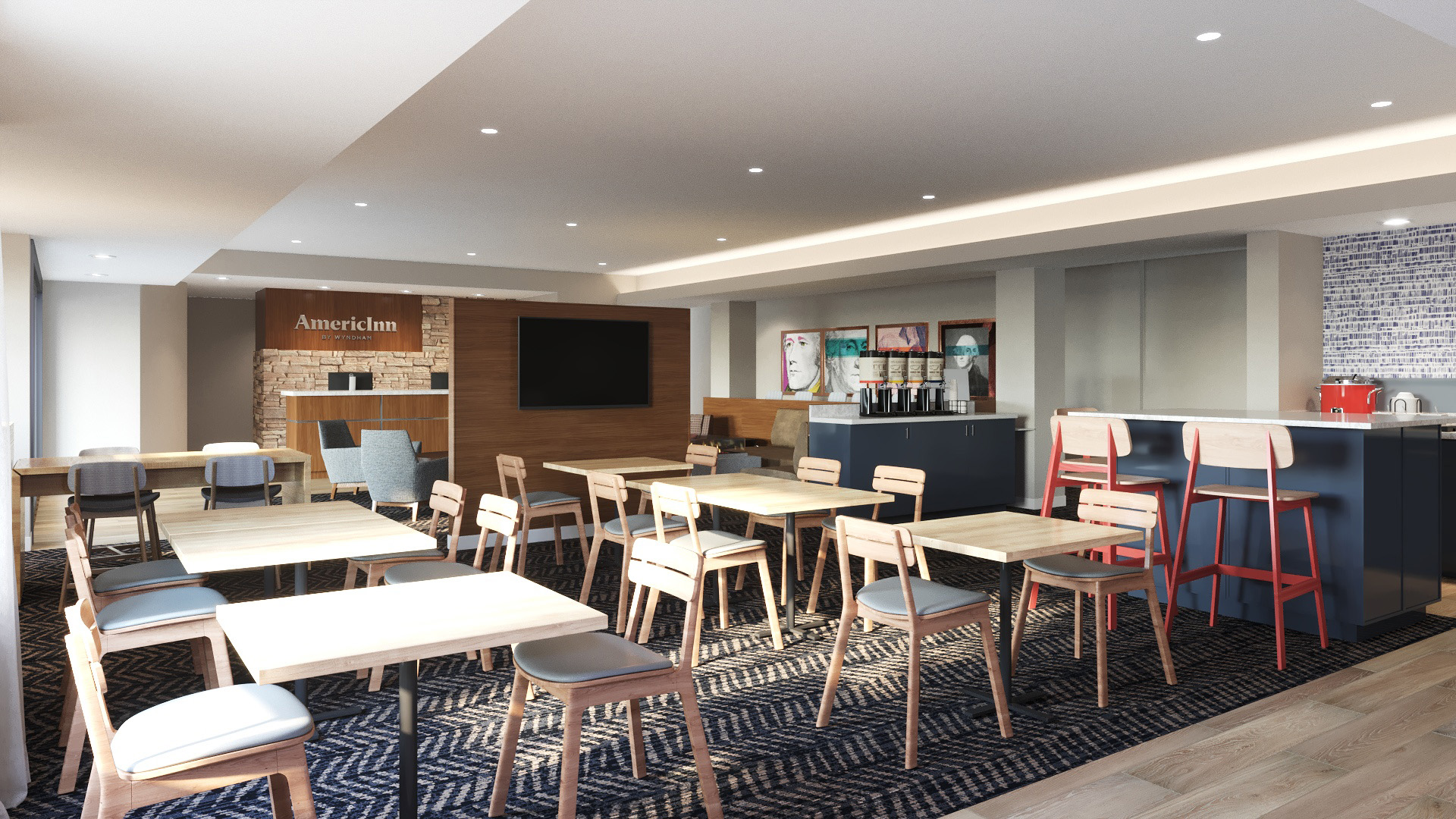
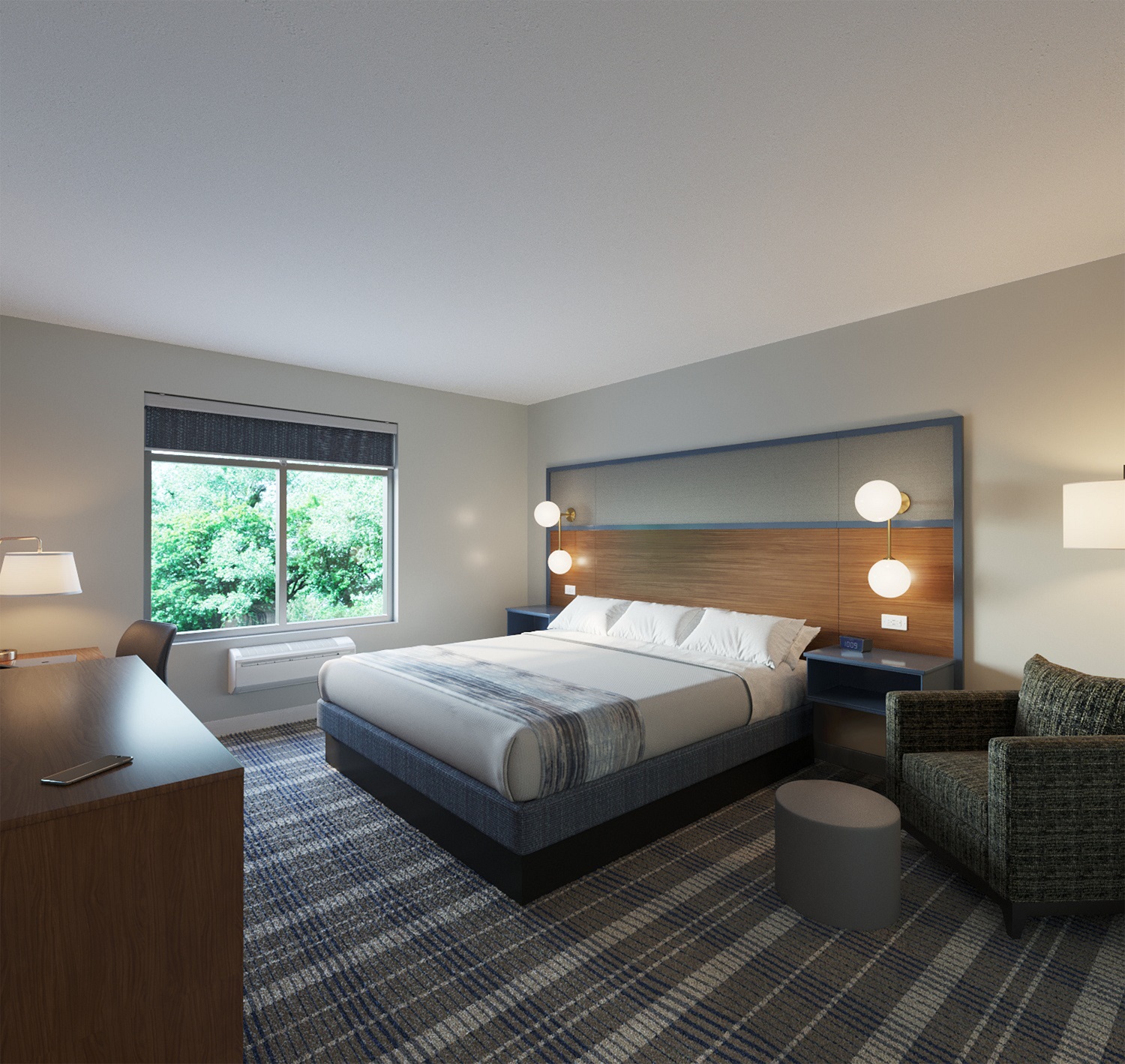
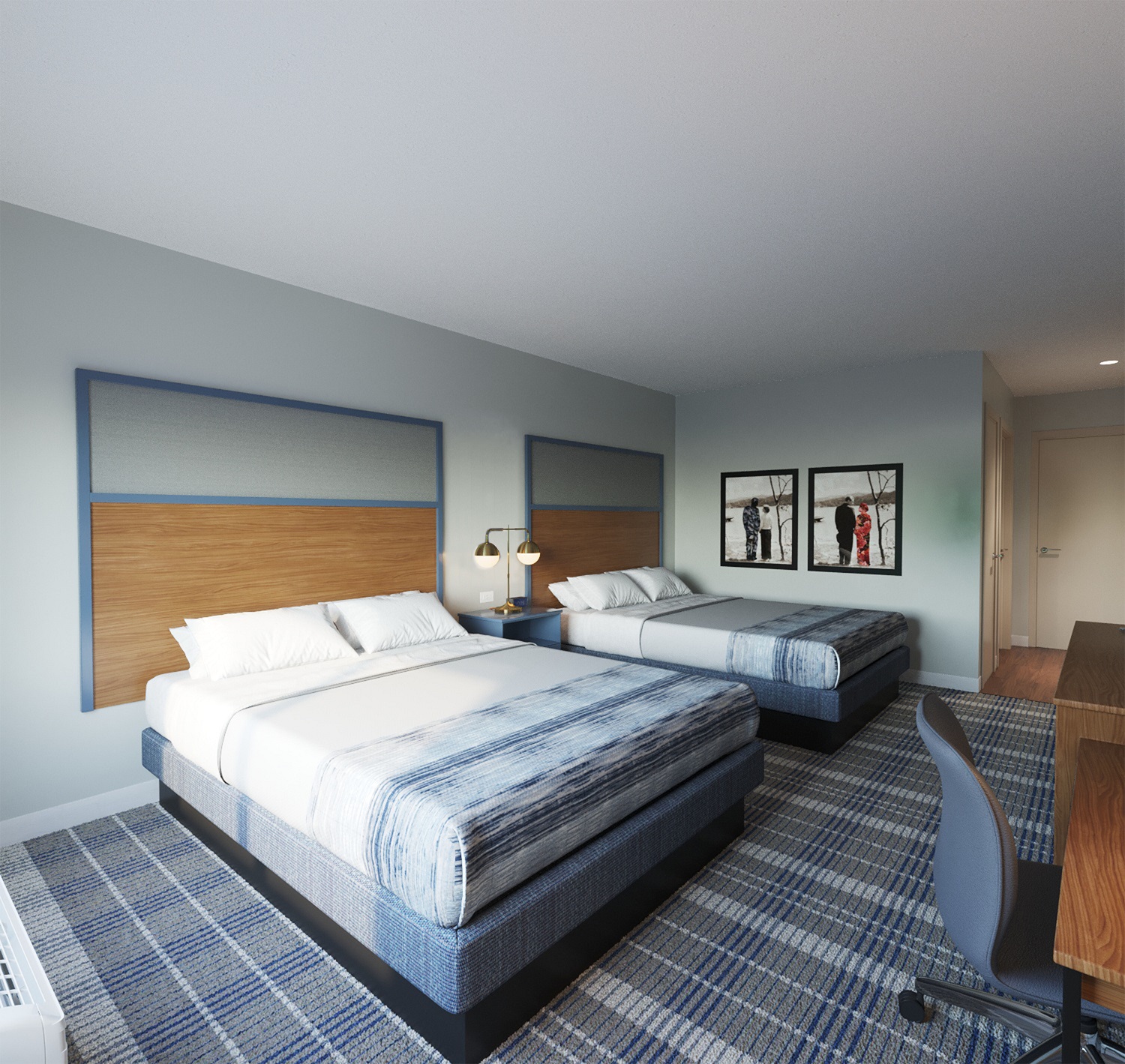
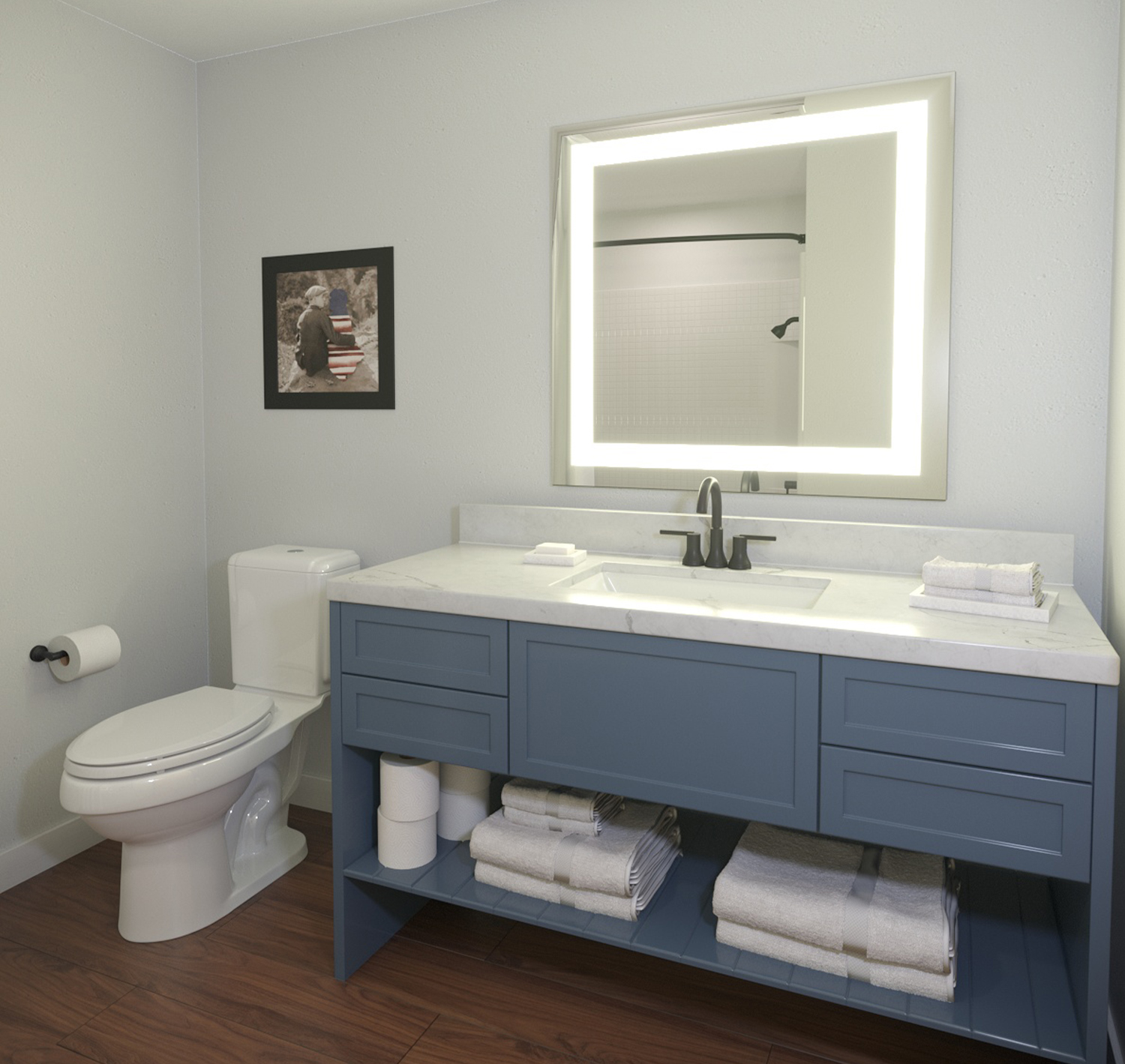
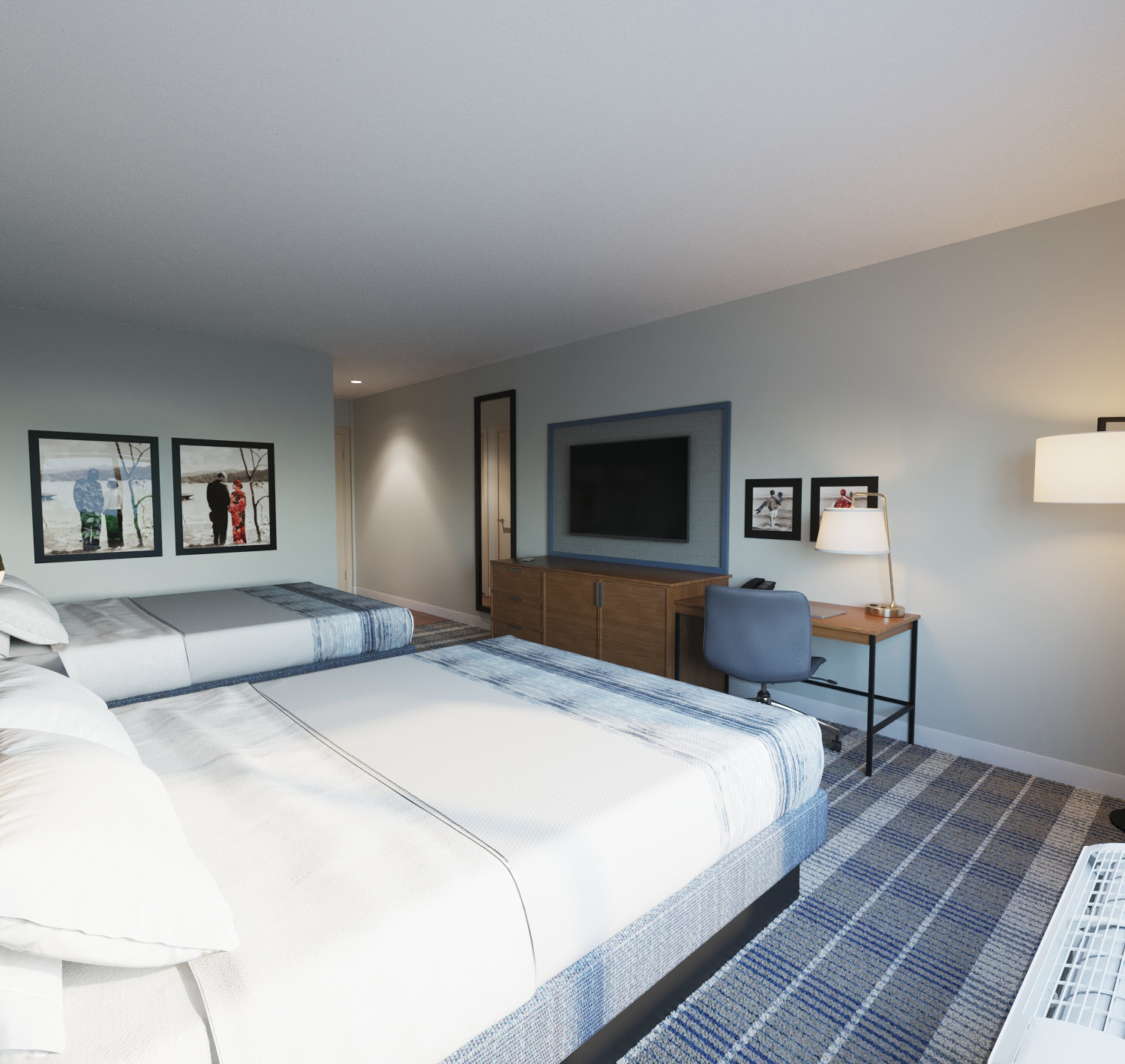
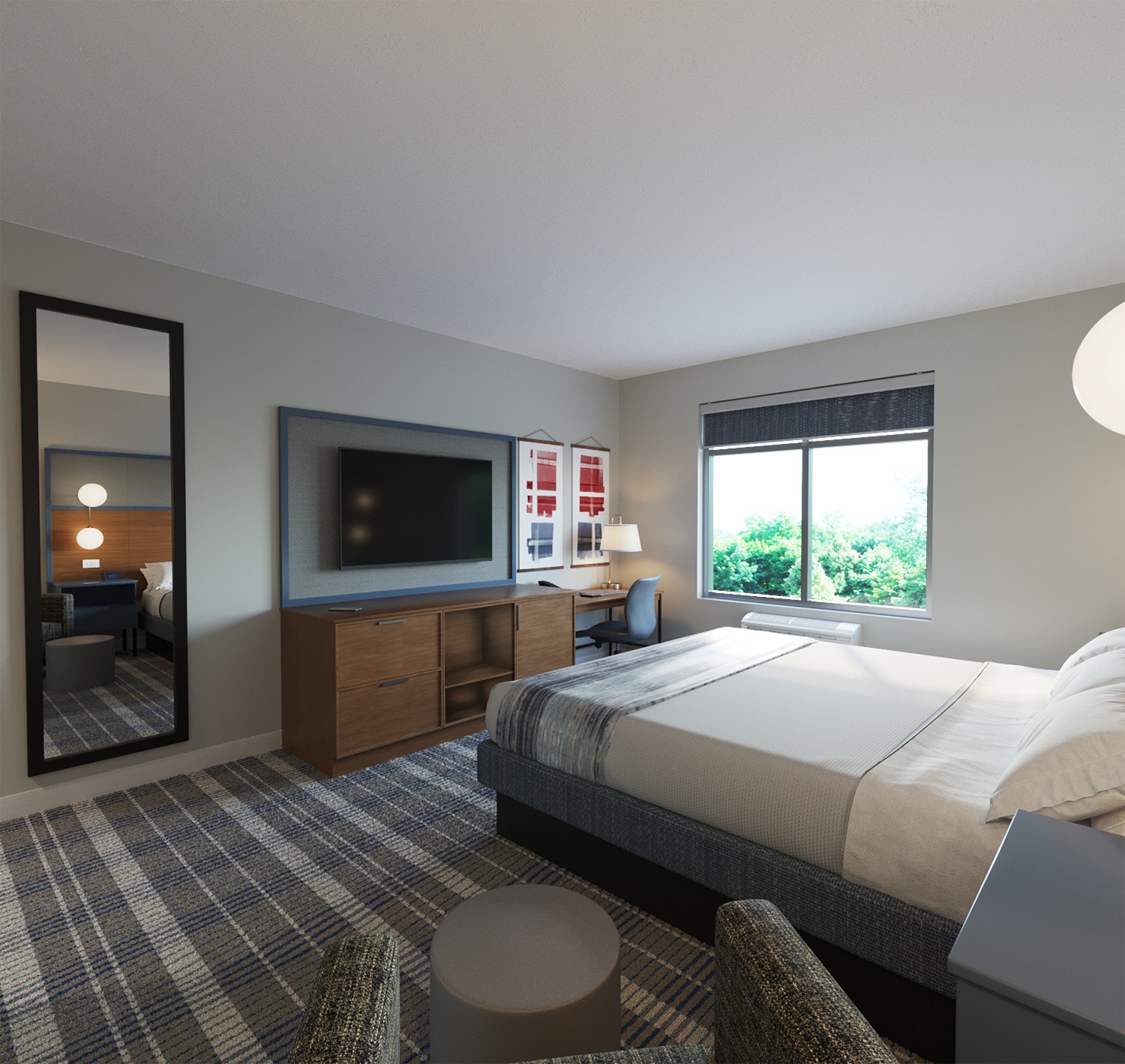
This honestly does not look like a brand Wyndham Hotels. It honestly has more of a Holiday Inn, Hilton or Marriott feel to it. We mentioned throughout this post, the contestant problems Wyndham has across its portfolio from poor cleanliness, bad management, outdated standards and more. AmericInn feels like the total opposite to all these issues. This is honestly the way Wyndham should be going portfolio wide. These rooms are definitely a good way to repair their damaged image from many of their brands without moving too far over to the luxury side. Genius move by the brand acquiring this chain back in 2017.
La Quinta
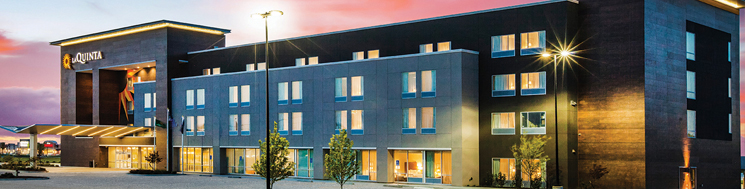
Just like all of these brands, La Quinta also started out as a separate independently owned and operated hotel company. The brand got its start in 1968 from a pair of brothers Sam and Phil Barshop. However unlike most of these brands, where many locations are poorly run, not clean or maintained, La Quinta has actually been setting the standards for new Wyndham brands and renovations. The brand is actually looked at as one of their top brands and is often compared to a Hilton or Marriott brand. Think about that for a second, most of the brands we have talked about, are not even remotely close to or comparable to Hilton or Marriott. This brand actually did such a good job, it’s now even helping the brands up their game and up their standards.
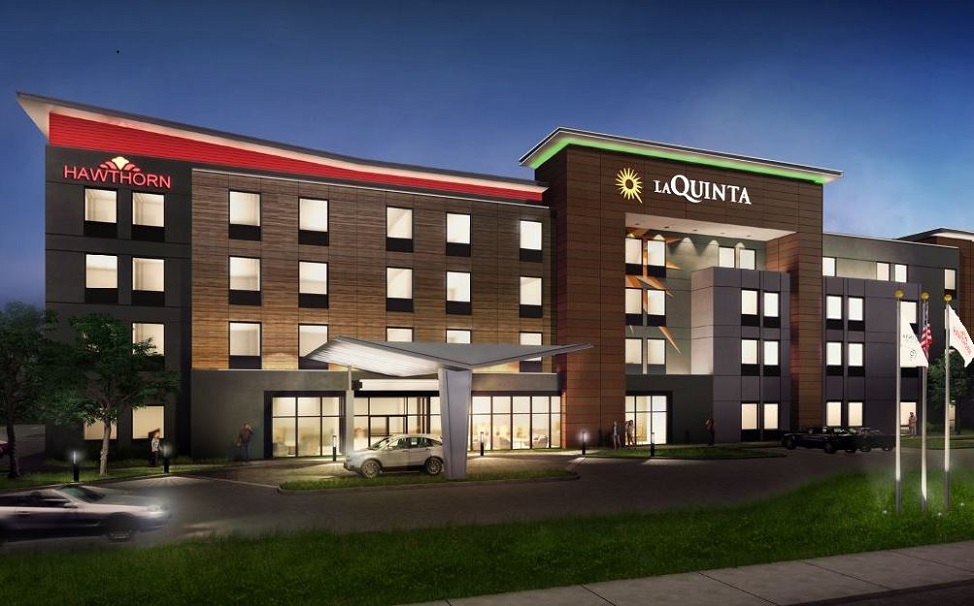
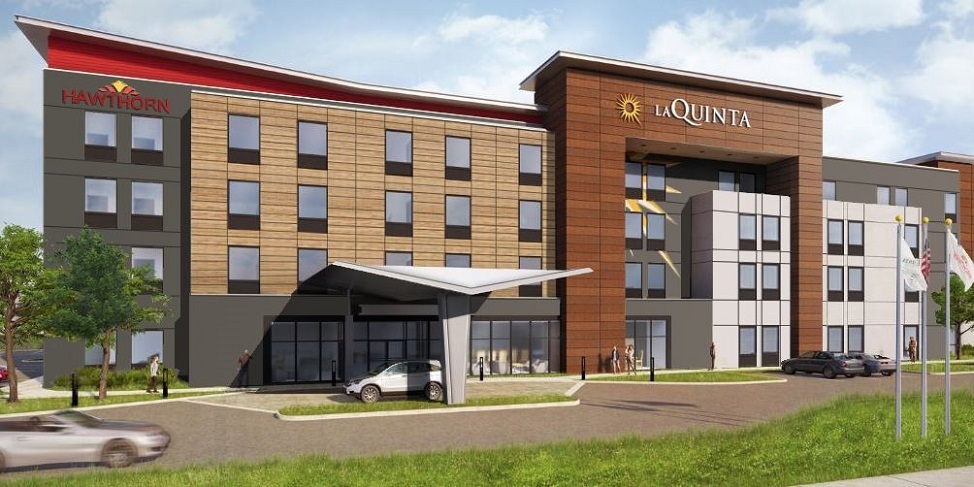
The brand has also been so successful that it is now beginning to be used in dual branded hotel prototypes. A dual branded hotel comprises two similar hotels from the same brand family – such as a Residence Inn and Moxy by Marriott – in a single building. The brands share the same back of house areas and oftentimes share common areas.
Sadly, it is very difficult to find many development plans, images or renderings for the rooms that are publicly available. However on Wyndham’s franchising site, there are images showing what current locations look like.
Overall, this is honestly Wyndham’s best and strongest brand they currently have in their portfolio. I would honestly love for all of their brands to get on La Quinta’s level. I think if Wyndham got their economy and mid-scale brands to this level, they could easily compete much better with the top hotel companies like Marriott, Hilton or IGH.
Final Thoughts
With Wyndham scrambling to play catch up to the competition, I think these new prototypes and standards will go a long way to improving all the brands and the experiences guests will have.
Will these prototypes be enough though? I honestly don’t think so since Wydnham has such lax standards as it is. Many locations are poorly run and not maintained so in locations like this, I think this would just be a waste of time. You can make a hotel look as nice as you’d like but it won’t hide the problems of the hotel as maintenance wise or management wise. In locations like that, it’ll just look nice for a few months to a few years before it is back to where it is. However, in locations where management is good and the ownership cares, these upgrades can definitely go a long way. I honestly think Wyndham needs to step it up and follow in La Quinta’s footsteps since that is honestly their best brand (of course not including the luxury brands or resorts).
What do you think of Wyndham Hotels and these new prototypes? Will these new changes convenience you to stay at a Wyndham Brand? Let us know your thoughts down below.






 Touristician