Overview: Preventing Facilities Disasters In The Hospitality Industry.

In the hospitality industry, facilities are omnipresent and serve as the backbone of all our operations. They facilitate various activities ranging from hosting events and preparing meals to providing comfortable accommodations for guests. Furthermore, they support behind-the-scenes tasks that ensure the smooth functioning of the hotel. Within the hospitality industry, facilities encompass a wide range of spaces including hotel rooms, restaurants, meeting and convention areas, parking garages, and recreational facilities such as pools, spas, waterparks, and gyms. Additionally, they encompass essential equipment like stoves, fryers, washers, and dryers, as well as the building infrastructure that houses vital elements such as water, gas, electricity, and structural components.

Why Preventive Maintenance Matters:

It is crucial to maintain, repair, and design our facilities correctly; otherwise, the consequences can be disastrous. When we fail to do so, we often see disasters like fires, building collapses, gas leaks, power failures, floods, and more severe natural disasters occur. While most of the time we have control over weather-related disasters, there are cases when we have zero control over disasters happening. Such cases include natural events like earthquakes, hurricanes, forest fires, and tornadoes.

It is crucial to prioritize the prevention of disasters by exercising meticulous control. One effective approach is to employ preventive and corrective maintenance strategies, carefully examining blueprints during the design phase to eliminate any critical errors. Moreover, seeking advice from experts during the maintenance and design processes ensures adherence to best practices.

By neglecting the aforementioned maintenance practices or neglecting to review the blueprints, it can lead to significant catastrophes and endanger the lives of innocent individuals and nearby properties. As we shall observe through various examples, a majority of the disasters documented could have been prevented had proper maintenance been conducted, blueprints been reevaluated prior to commencing construction, and appropriate safety measures been implemented.

Hotel Fires:

Facilities fires in the hospitality industry are a disaster that can be controlled with proper measures. Neglecting maintenance, emergency procedures, or safety equipment can lead to dire consequences. Fires occur when there is an ignition source, fuel, and oxygen. In the context of a hotel room, where numerous flammable sources can be found, items such as towels, sheets, blankets, desks, curtains, and furniture can easily fan the flames and escalate the situation to a point of no return.

So, when a fire occurs in a hotel, it is crucial that our fire safety plan and equipment are effective and efficient in aiding during an emergency. The most important elements of a fire safety plan include, fire detection followed by fire notification. Fire detection includes human observation, heat detectors, photoelectric smoke detectors, ionization smoke detectors and sprinkler systems. Meanwhile fire notification includes emergency instructions and floor plans, building horns/alarms, voice alarms, visual alarms, communication systems, and smoke detectors. Additionally, if a fire does break out, fire control is very important and includes the following smoke dampers which inhibit the movement of smoke through ductwork, smoke sensors that control smoke dampers and a stairwell pressurization system that increase the air pressure in stairwells keeping them relatively smoke free.

MGM Grand Fire:

Looking back to 1980, the MGM Grand Fire was the deadliest hotel fire ever to occur. According to several reports and investigations, it was found the fire began around 7:10 a.m. Upon further investigation, it was discovered that the casino floor did not have sprinklers or any fire suppression systems which ultimately caused the entire casino floor to be ravaged by fire in six minutes (Fascinating Horror, 2021). It was also found that as fire and smoke quickly rose up the hotel tower, no early warning systems were present and fire alarms or safety systems were not functioning to warn guests before it was too late. By the time the guests in the tower found out there was a fire, it was too late which caused many to be trapped in their rooms and on the upper floors of the tower cut off from exits entirely. This disaster unfortunately took the lives of 87 people and injured more than 600 (Verastigue, 2022).

To begin with, this disaster could have been avoided if the bakery case that caused the fire was maintained properly. If there was preventative maintenance being done, perhaps the (reason case sparked) could have been spotted and fixed. Additionally, had there been proper fire detection, warning and suppression systems, the fire could have been contained sooner and tragedy could have been prevented.

Building & Facilities Collapses:

While we have control over fires and the outcomes in our facilities, unfortunately when collapses occur, we tend to have less control over them due to the fact that most problems that cause collapses occur in the design and construction stages. If we are the ones designing and constructing the facilities, we have control over collapses. Whereas if we are utilizing an existing facility, we will not have control over the design of the facility and its infrastructure. Most collapses can be prevented if blueprints, designs and technical drawings are checked again before going to the construction phase. It’s when we fail to do this simple yet easily overlooked step, that we see incredible building collapses as results of engineering failures.

Hard Rock New Orleans Collapse:

Unfortunately for the under construction Hard Rock New Orleans, they learned this mistake the hard way after it was too late. It was a beautiful and normal day just like any other day until tragedy struck and Hard Rock came crashing down onto the street below. Work was being done on the upper floors where concrete was being poured for supports as well as the structure making up the floor. Additionally, work was being done on the 18th floor where the pool was hoisted up by crane only hours before. Suddenly without notice, the under construction hotel collapsed killing three workers, and injuring hundreds both on the job site and street below. Immediately, the public demanded answers as to why the hotel collapsed and the cause of the incident. 

In the aftermath of the incident, it was discovered by OSHA that the engineer “failed to adequately design, review or approve steel bolt connections affecting the structural integrity of the building” (OSHA, 2019). Additionally, Walter Zehner, a technical spokesman and structural engineer commented “You can see where the two upper floors are moving kind of together rather than individually and that indicates that the 16th floor failed and the other floors just came down with it” (Hammer, 2021). It was found the building was so un-structurally sound that many of the steel beams were overstressed by 300%.

Hyatt Regency Lobby Collapse:

Sadly, a similar tragedy occurred at 1981 Hyatt Regency Hotel in Kansas City where an elevated walkway collapsed, killing 114 people and injuring 200 more. The lobby area featured a three tiered elevated walkway that took guests across the resort to different meeting spaces and guest areas. During an investigation launched directly after the incident, it was found that a change in the original design of a series of walkways suspended above the lobby’s hotel led to a connection failure. The original design had all of the walkways suspended from the ceiling with steel rods retained by nuts. Even prior to the design change, the original design only supported 60% of the minimum load required by the Kansas City Building Code. The contractor responsible for manufacturing the steel rods objected to the use of threaded steel rods, as they felt the threads would be damaged during construction. They proposed an alternative plan where the lowest platform would be supported on one end by the ceiling, but on the other end by an upper level platform. This of course left the upper level platform, already under-designed, with a double load (Tyrell, 2020). Much like the Hard Rock incident that occurred recently, this incident in 1981, could have also been prevented by simply double checking blueprints, designs and technical drawings before starting the construction process.

Tropicana Parking Garage Collapse:

Similarly, back in October 2003, the Tropicana Casino and Resort in Atlantic City also had a collapse. During a major expansion and renovation project, the resort was constructing a new parking garage to be able to hold the higher capacity of guests entering the resort. Unfortunately, while constructing the parking garage, it collapsed in on itself, killing four construction workers and injuring 21 others (OSHA, 2004). It was also discovered during the investigation that multiple reasons were to blame for the collapse. First, the contractor building the garage did not properly support the structure in areas where the concrete was being poured and cast for the supports. Secondly, it was found that the parking garage levels were beginning to show signs of cracking around major support columns and areas that were just freshly poured a week to a few days prior. “The Fabi superintendent failed to seek the immediate attention of the general contractor/construction manager or the structural engineer of record when Fabi employees brought to his attention the cracks around the exterior columns on grid line 1 at levels P4 thru P7. The employees noticed consistent cracks at the interior long face of the columns extending at an angle of forty-five degrees towards the edge of the slab/beam. These cracks should not have been dismissed as shrinkage cracks because of their uniformity, depth, and pattern on all levels. The collapse could have been averted if immediate attention was sought” (OSHA, 2004).

Much like the previous two incidents resulting in collapses, this incident also could have been prevented if the blueprints and technical drawings were double-checked for design flaws prior to construction starting. Additionally, had the engineer stopped to address the reported cracks and flaws that were discovered, the incident could have also been prevented by performing the proper work to address the issues and stop them from becoming more severe.

Final Thoughts:

To conclude, it is crucial that we maintain, repair, and design our facilities correctly; otherwise, the consequences can be disastrous. Our facilities in a hotel include hotel rooms, restaurants, meeting & convention spaces, parking garages, recreational areas like pools, spas, waterparks, and gyms, equipment such as stoves, fryers, washers, and dryers, and even the infrastructure of the building. When we fail to take proper steps and do maintenance, we often see disasters like fires, building collapses, gas leaks, power failures, floods, and more severe natural disasters occur. Most disasters we have full control over before they even become disasters. We can prevent disasters through preventive and corrective maintenance, cross-checking blueprints during the design stages to ensure no crucial errors were made, and consulting with experts when doing maintenance or design to ensure we are doing it correctly.

Support My Work: Buy Me A Coffee!

One last thought before we go! Are you enjoying the content I create? If so, I would greatly appreciate your support on my Buy Me A Coffee page.

By buying me a virtual coffee, you can help fuel my creativity and enable me to continue bringing you valuable content. Whether it’s blog posts, artwork, or any other form of creation, your support makes a significant difference in my ability to keep producing high-quality content.

Your contribution shows that you value what I do, and it motivates me to keep pushing the boundaries and exploring new ideas. Together, we can build a vibrant and supportive community around my work.

So, if you’re enjoying what you see and would like to support me, click the button above to visit my Buy Me A Coffee page. Your support means the world to me, and I genuinely appreciate it.

Thank you for considering supporting my creative journey. Your generosity is deeply appreciated! See you in the next post!

Farewell Mirage Las Vegas. Hello Hard Rock LV.

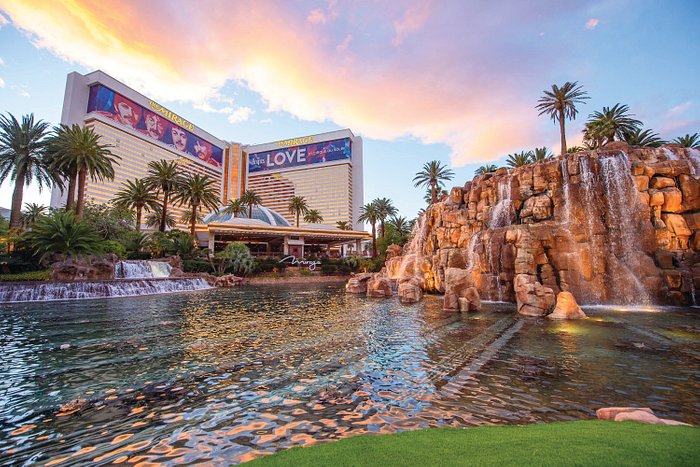
Very interesting news has been unfolding in Las Vegas these past few months as Hard Rock International purchased The Mirage from MGM Resorts International for a whopping $1.08 Billion! While it is sad to see such an iconic and revolutionary Vegas resort go, the Hard Rock plans are just stunning. Join us today as we venture into the history of this once beloved resort and what Hard Rock has in store for Vegas.

History of The Mirage:

The Mirage was the vision of Steve Wynn who was a visionary that forever changed the landscape of Las Vegas and Atlantic City, NJ. Wynn early in his career oversaw the construction and operation of several notable Las Vegas and Atlantic City hotels, including the Golden Nugget, the Golden Nugget Atlantic City, The Mirage, Treasure Island, the Bellagio, and Beau Rivage in Mississippi, and he played a pivotal role in the resurgence and expansion of the Las Vegas Strip in the 1990s.

The site where The Mirage site was previously home to a motel during the 1950s then the motel was torn down to become the Polynesian-themed Castaways Hotel and Casino. Wynn acquired the property 1987 from its owner Howard Hughes. After the purchase, Wynn was quick to demolish Castaways and begin construction on the Mirage. 

At first, the resort was announced under the name Golden Nugget after the existing Golden Nugget property he owned on Downtown Fremont Street at the time. After careful consideration, he later changed the name from Golden Nugget to “The Mirage” and purchased the name from the La Mirage Hotel and Casino and the Mirage Motel, which was renamed to the Glass Pool Inn and Key Largo after the purchase for $250,000.

The Mirage officially opened its doors on November 22, 1989. The Mirage remained under Wynn’s ownership until 2000, when his company was acquired by MGM Grand.

Mirage’s Legacy:

The Mirage, being one of the first heavily themed hotel and casinos in the Las Vegas Valley since Caesars Palace in 1979, began a period in Las Vegas’s history known as the “family-friendly era” where previously mob-run hotels and casinos were replaced by heavily themed resorts that catered mostly to families and children. This included the Excalibur in 1990, Treasure Island, MGM Grand, and Luxor in 1993, New York-New York in 1997, the Bellagio, and the Mandalay Bay, Venetian, and Paris in 1999.

Original Hard Rock Hotel & Casino:

Prior to Hard Rock International purchasing The Mirage, the company had another resort on the strip where the current Virgin Hotels Las Vegas sits today. The original Hard Rock Hotel & Casino was the first ever Hard Rock hotel ever to be built in the country. As of today, there are about 24 hotels not including 17 hotels under development and construction. 

The Las Vegas location was a trend setter and was known for its party scene, vast nightlife, entertainment and famous performances. LV opened its doors in March of 1995 and over the years expanded the property to include multiple hotel towers and additional expansions to accommodate the vast nightlife scene.

However in 2018, this all changed as in early January of that year, rumors floated around that Sir Richard Branson was going to be buying the Hard Rock hotel-casino and sure enough on March 30 an official announcement was made. This ended Hard Rock’s Las Vegas Hotel presence until 2022 when Hard Rock purchased The Mirage from MGM Resorts International for a whopping $1.08 Billion!

Hard Rock Hotel & Casino’s Planned Return:

So what exactly does Hard Rock have planned for their big Las Vegas return? Hard Rock is planning on demolishing the iconic Mirage Volcano to make way for a massive 800 – 1,000 room guitar shaped hotel tower. The guitar-shaped hotel will also include a casino with 200 slots and 12 table games.

Specific details have been very sparace and difficult to come by. As of now, there is no definitive decision as to whether the property is going to be closed during construction, partially open, etc.  

However, according to several sources, Hard Rock is planning a renovation and expansion of event and meeting space at the Mirage, a renovation of villas and the private gaming room, plus an “enhanced pool experience.” The planned renovations will also add 80,000 square feet of casino space and 83,000 square feet of convention space to the former Mirage. That’s accompanied by an addition of 1,164 slot machines and 161 table games. Renovations are expected to add nearly 3,000 theater seats, plus 596 hotel rooms and three food and beverage outlets to the property. 

No additional news, details or information have been shared at this time nor is there a specific timeline for the project. Currently as Hard Rock finalizes plans, seeks approvals and prepares for construction, The Mirage name will remain. Under the terms of the purchase agreement, according to the Dec. 2021 release, MGM Resorts will retain The Mirage name and brand, licensing it to Hard Rock royalty-free for a maximum period of three years while it finalizes its plans to rebrand the property.

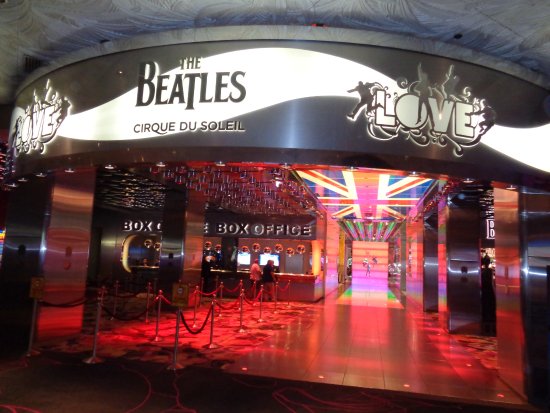
There are also no plans or details announced regarding The Beatles LOVE by Cirque du Soleil show that has been a Mirage staple for many years. It is highly likely this show could remain as it fits perfectly within the Hard Rock theming.

Overall, this is definitely a wise business decision and investment as there are no guitar shaped buildings on the strip which will help make the property stand out. Many of the resorts on the strip look nearly identical with the exception of the heavily themed resorts, or well established resorts. Additionally, there is no other existing guitar shaped hotel except for Hard Rock’s Hollywood, Florida casino resort. While it will definitely be sad to see some classic strip icons go, in the long run it will definitely be worth it as new icons are being created.

One Last Look Inside The Mirage:

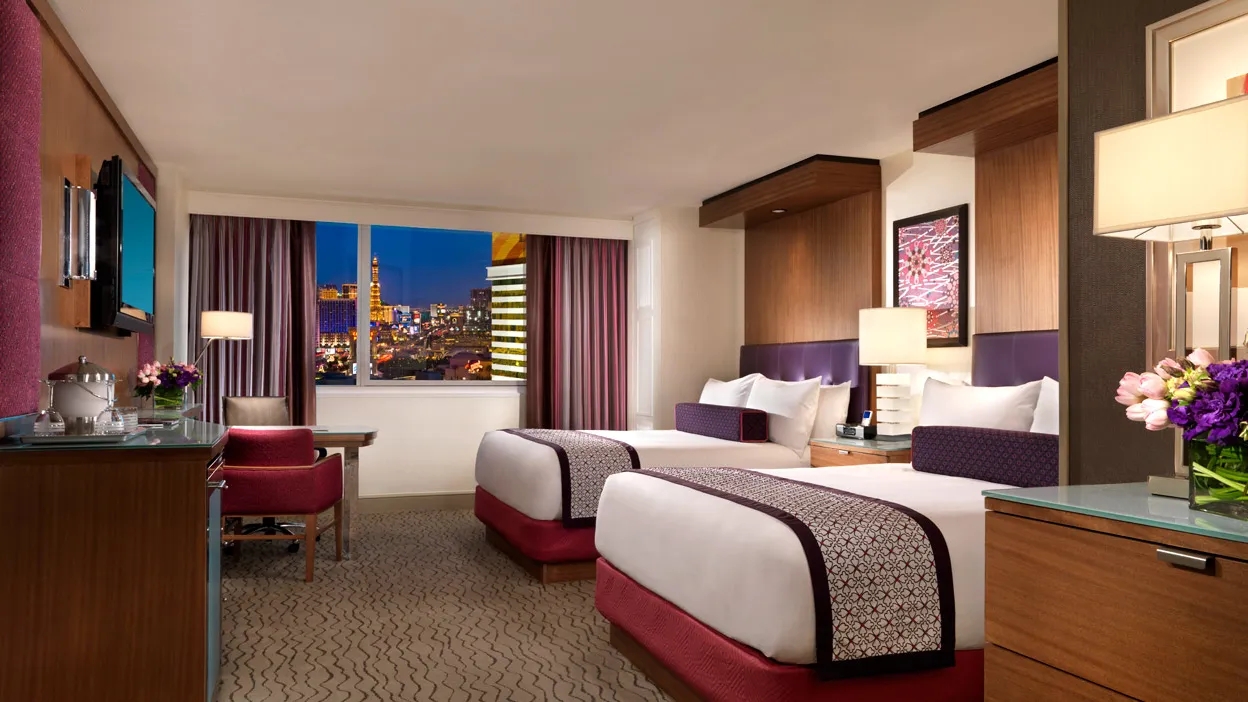
Before we say farewell to The Mirage, let’s take one last look inside the famous property.

Genius Business Decision?

Wow! What a gorgeous and well kept property. When MGM Resorts was asked for the reasoning behind the sale they stated it was to shift focus on their existing properties in Las Vegas and build on those experiences. Additionally, shortly after the sale, we saw MGM Resorts buy the famous and most popular strip resort Cosmopolitan for $1.6 billion. MGM is also allocating capital in preparation for the billion dollar investment for a new casino resort located in Osaka, Japan.

Overall I think this was a smart business decision by MGM Resorts since it allowed them to purchase the Cosmopolitan while allowing them to allocate funds for future projects, expansions and new construction. I personally can not wait to see the new Hard Rock property and the guitar hotel tower rise above the Vegas strip. 

What are your thoughts on The Mirage and upcoming changes to the resort? Leave a comment below and share your thoughts!

What Happened To Creativity and Innovation in Disney?

Author: Blake

Welcome to the first ever Disney focused blog post! Back in 2019, I had to write a research paper about a topic I was passionate about and related to my major. For my paper, I decided to spot light the creative history Disney has had, a brief timeline of the parks and the current track record Disney has with its current leadership. While, I don’t consider myself a hardcore fan of Disney or claim to know everything about it, I wanted to share my thoughts and opinions I wrote. After revisiting this after some time, I definitely remember enjoying this paper and am glad I am able to revisit it again. So without further ado, let the magic begin!

*For easier readability, I removed the citations used throughout the paper. Please note not all quotes or facts are directly mine. I will link the sources I did use at the end of the post. Thank you!*

Photo by Benjamin Suter on Pexels.com

The Industry That Almost Failed To Exist:

“To all that come to this happy place, welcome. Disneyland is your land. Here age relives fond memories of the past, and here youth may savor the challenge and promise of the future…” (Walter Elias Disney). From the very start, theme parks were created as a place of fun and to escape the craziness of life. Creating a theme park to achieve these goals takes lots of creativity and innovation. Throughout the Walt Disney Company’s existence, creativity and innovation were core principles that Imaginners and leadership followed; however as of today those very same principles seemed to have disappeared and became lost within the profits of the company.

Back in the 1950s, the theme park industry was hurting and almost disappeared forever. When Walter Elias Disney came along, he took the failing American dream of what a theme park was and with hard work and innovative thoughts for the time, created what one knows today as Disneyland. Before Disneyland, Walt was an innovator in the making of cartoons and animation. He created some of the first cartoons in color and in sound. One day while spending time with his family at a local park and sitting on bench, a radical idea hit him. The idea of creating a theme park where adults and children can spend time together in a safe and comfortable environment. Fascinated with this idea, Walt set out with his brother Roy to create his vision. Walt purchased a 160 acre orange grove near Anaheim, California where there was nothing but orange groves and no major highways. The media criticized Walt saying he was crazy and it couldn’t be done. Regardless, Walt, the Imaginners and trades workers got the park finished and opened. Walt took all of his classic, well known characters and created rides using storytelling so that riders could connect to the characters and feel apart of the story. 

And So The Magic Began…

Walt didn’t just stop there with Disneyland. Throughout the years, he added to his park creating never before seen technology and elements in rides. To keep the park revelavant and market towards thrill seekers, Dick Nunis, who was the Director of Operations at the time, asked if the Imaginners could come up with something: “‘You’ll get your thrill show attraction. We are going to build a scale model of the Matterhorn and put a bobsled in it’. I had no idea what he was talking about. What Walt ended coming up with was a ride called the Matterhorn Bobsleds. Walt’s concept was having two tracks intertwining each other hidden inside of the mountain along with an opening in the mountain so that the SkyWay could pass through it. The designer of the ride had to learn extra math he never learned in high school just to be able to get the ride designed and its physics designed. The ride set the pace as the first tubular steel track roller coaster in the world. Other innovative ideas such as this came about like the It’s A Small World ride, the Monorail system which was the first ever monorail and Pirates of the Caribbean ride

The Legend Carries On:

While Disneyland was a huge success and in the process of completing these innovative projects, Walt’s health was declining due to lung cancer. When Walt died on December 15, 1966, the Imaginners who worked closely with him were devastated. Imaginners were worried about the future of Disneyland and what would be next since anything they worked on, Walt always gave feedback or worked with them on. Roy Disney took over the company and he and the Imagineers honored Walt by finishing all the projects Walt put forward before he died. Such projects include the Haunted Mansion and what would become Walt Disney World. It took a lot of innovation and creativity to solve the issues of sinkholes, swamp land,no roads and no utilities anywhere near the property. To combat this, the team put in all of its own utilities and roads and designed on ground level a network of tunnels to run all the utilities. The tunnels were also used for Cast Members to get around to the proper lands while in costumes without being seen by park goers. Don Iwerks,former General Manager of the Walt Disney machine shop recalls: “That was a major engineering job. It could run all the water systems, all the electrical systems and all heating systems all under this sort of roof.” The park featured mostly clones of Disneyland rides but also featured new and exciting experiences. One of those being Liberty Square which was themed after colonial America. After the park opened, it was clear all 30,00 acres of land could be further developed and Walt’s ideas would go on.

The Community Of Tomorrow:

Shortly after Walt Disney World opened to the public and became the companies second park to open, Roy Disney died. Imaginners still around from when Walt was alive and current Imaginners feared again what was to become Disney and didn’t know where the company was going next. Don Tatum who was Roy’s prodigy took control of finances while Card Walker who was Walt’s prodigy took control of the parks. The team under the leadership of Walker took Walt’s idea of EPCOT (Experimental Prototype Community of Tomorrow) which would be a futuristic utopian community with radical ideas never thought of or designed before and finally put it forward. Card Walker, the president of the company at the time gave the following statement about the project: “More than a dozen years ago Walt Disney outlined his belief that the critical problems facing the world can and will be solved by creative people who are both dreamers and doers. He called his dream Epcot.” They ultimately gave up on the society since they couldn’t control how people lived their lives and instead took the themes Walt had created and made attractions and themed areas (Pavillons) out of them. For example, Spaceship Earth showed the evolution and futuristic advancements of communications and how it shaped society. The fact that the Imaginners were able to come up with original attractions to orchestrate a specific theme is absolutely amazing. 

The Eisner Era & Revival Of Creativity.

Unfortunately, this creativery would be on the brink of collapse due to a battle of management and hostile issues at the corporate level. However when Micheal Eisner and Frank Wells took over the company, they ushered in a new era of creativity. Eisner before taking control of Disney was an executive at Paramount Pictures who helped take the studio on a legendary box office streak. From the very moment they took over, Imaginners feared that the dreaded day came where they would be getting shut down. To their surprise, Esiner loved Imagineering and respected them highly. Esiner loved Imagineering so much that he spent a lot of time there and really connected with the creative minded people he was interacting with on a daily basis. 

Throughout his time leading the company, Esiner took on many ambitious and creative projects. The first of these projects was a Disneyland park in Paris. Unlike the creation of Disneyland in Japan, which was an exact clone, the Disneyland being built in Paris, while still having the same rides, was visually and creatively different and unique. Disneyland Paris’s tomorrow land for example had a more steam punk look to it rather than the traditional futuristic space theme to it. Not only was the theming different the technology behind some of the rides was different as well. Unlike the other versions of Space Mountain that started with a lift hill followed by a drop, this version used a catapult launch system created entirely by the Imagineers. It was the first inclined catapult launch system ever built in the world. This system added a whole new excitement to the classic attraction while keeping to the original concept.

Another creative project that followed suite was a chain of complexes called DisneyQuest. The idea was instead of having to spending millions of dollars on creating a park in which would be profitable in 11 years, build a complex that would be profitable within a few years. DisneyQuest was a 5 story windowless building featuring multiple attractions, games and new technologies in order to give the Disney experience without having to travel all the way to CA or FL. Despite closing in 2015 and not achieving the plans for 30 regional locations, the concept and creativity with the complex where pretty amazing since it was something never really done before and was just emerging.

Cooperate Greed… Goodbye Creativity!

Unfortunately, this creative resurgence would not last and would soon come crashing down. Starting around 1994, Disney began once again cutting costs and corners. Tom Morris, a former Imagineering Creative Executive, recalls: “…There was a time where we were encouraged to forget who we were. We’re no longer gonna be a castle park company. We are entertainment, retail, dining, and real estate development and other things.” The most obvious examples of this was seen in the creation of MGM Studios in Paris and Disney’s California Adventure which would be the 2nd gated park in CA. DCA broke the formula to how Disney created parks since there was no natural divider keeping the park immersed in the theming and rides, there were fewer themed lands and fewer attractions. Kevin Rafferty, an Imaginnering Executive, reflects: “Much to our chagrin, it didn’t adhere to our fundamental design principles of theme park design”. Disney moved away from their core principles and with MGM Studios Paris and DCA focused on making one day park experiences to complete the main parks. When a legendary Imaginner John Hench was asked to complement on the creation of DCA he stated “I preferred the old parking lot” While some may argue in order to be innovative, traditions and formulas must be strayed away from, by Disney doing so they were not innovative as in some cases. Instead, Disney only broke their formulas to cut corners and try to get the Disney experience out there poorly executed. 

The Iger Era… Not Much Better?

Sadly, this creative slump and decline of innovation only carried on under Eisner’s leadership and Disney suffered. One of Disney’s major partners throughout the years, Pixar, ended their partnership with Disney. To add to the companies suffering, Roy E Disney, Walt’s nephew, resigned from the board of directors and sought to drive Einser out of leadership. Bob Iger took control of the company after Eisner stepped down as CEO of the company. What was thought to be a new start only continued the downward spiral of lack of creativity and innovation. 

While Iger tried to focus on trying to get core principal’s back, he only failed and is losing the core principles even more. A common example that is clearly seen in the present day of Disney is the overuse of IPs (Disney characters or property) on rides and attractions. For example, instead of creating new rides with new characters and experiences, the same characters that have been used already are used again. Another issue connected with this is the recycling an old ride and slapping a new IP on to it. If one takes a look at Pixar Pier in DCA, all it essentially is, is the old Paradise Pier rides with new characters and color schemes. While it can be argued, the conversion of Pixar Pier was innovative and creative since it used new characters and brought new concepts to that specific area to DCA to make it feel more like Disney, all Disney did was recycle the land and just re-theme it which is not very creative. For example, the old roller coaster California Screamin’ was converted into Incredicoaster with little changes done to it. All that was done to this ride was, tunnels where installed on the tops of the drops on the tracks and the ride was repainted to fit the theme for the Incredibles. Re-theming an entire land by just repainting it and slapping new names on rides is not creative or innovative especially with a company that has such a rich history with these two core ideas.

To conclude, Walter Elias Disney created Disneyland out of a vision where adults and children can spend time together in a safe and comfortable environment. To make his dream a reality he used radical, outside of the box ideas to make it happen. Walt’s vision only expanded into what Disney has become today. However, the core ideas Disney was founded on and stood by for decades have disappeared and became lost within the profits of the company. One can only hope the company gets a new leader who stops caring about profits and returns to the core principles that founded and shaped this company. Whether it’s myself who one day works for this company making creative decisions or another Disney legend, one can only hope for the future.

Reflecting Back On My Opinions Two Years Later:

After reading the paper through again after two years, I think a majority of the observations I made where true and are still occurring today sadly. I think it is a shame that Disney keeps putting money and greed over creativity, fun and their founding principles. To be fair, I see why Disney has to do this being they build new attractions and lands that cost millions of dollars, host fireworks daily along with all the expenses. I get it adds up and they need to worry about the bottom line, but I think you still need to keep a fine balance between your finances and core ideas. Could you imagine how different and maybe even better Disney would have been right now if they didn’t always chase money and be greedy? I truly think they would be way better off. Putting finances aside for a second, we could even argue that Disney leadership possibly even doesn’t care at all anymore? WDW is crumbling (cough cough Monorails) and needs updates to it’s infrastructure and some of it’s older rides and EPCOT is just a mess.

“IP-COT”

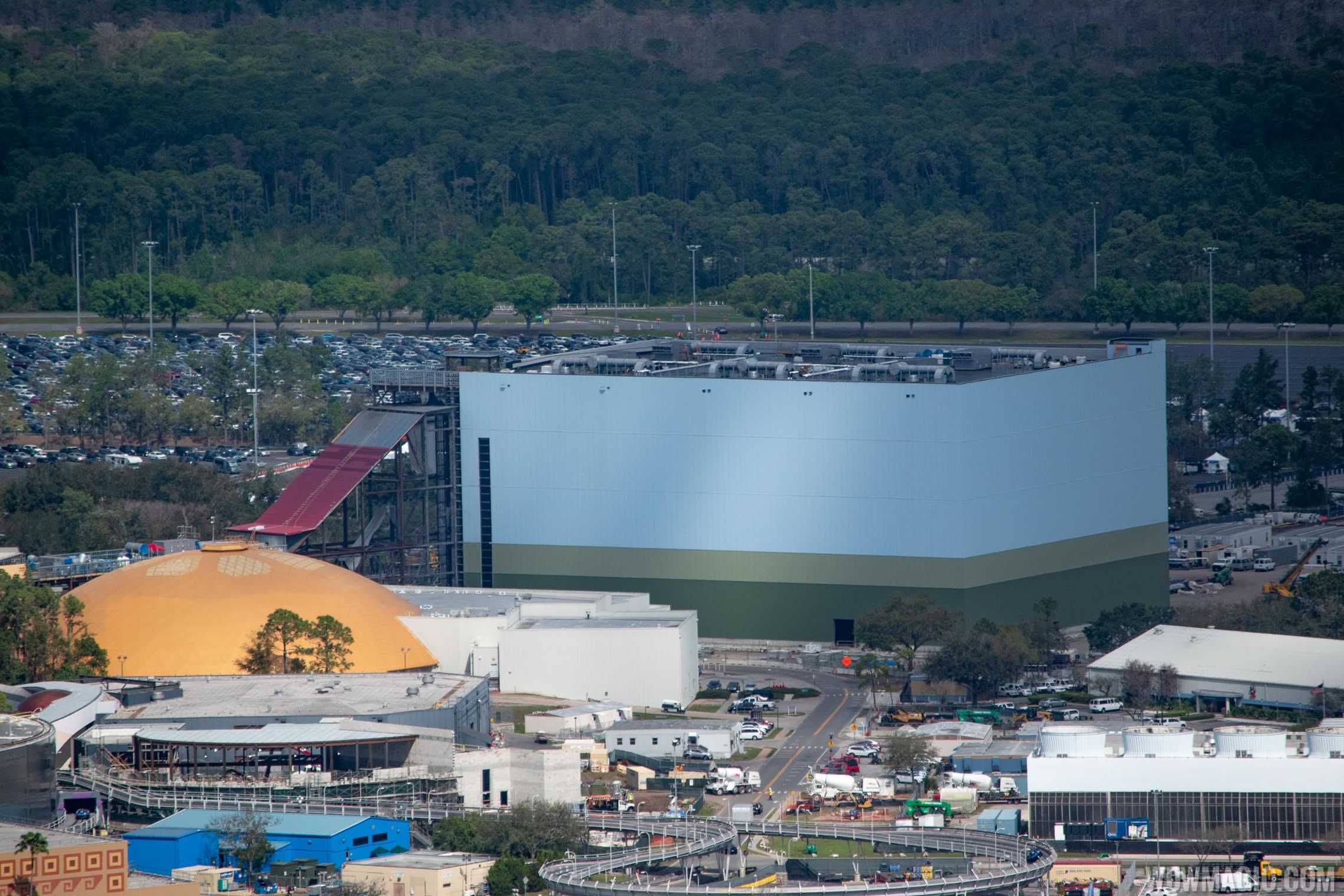
I mean we have ECPOT which has was a very innovative and special park and now is basically a dead park and a former shell of itself. Yes, we are seeing progress but think about how long it took Disney to actually put time into this park. And yet again we are seeing Disney resort to overusing IPs especially in ECPOT. Some of the attractions make sense since they do fit the overall theme and idea of ECPOT but others you can’t help but ask yourself why. For example the monstrosity of an attraction, Guardians of the Galaxy: Cosmic Rewind is terrible. Did they even try with that show building? I mean come on… You could have done better than that. Okay genius so you slapped green paint on it to try to hide it but what about the rest of the building? Such an eyesore especially from the parking lot. To be fair, we haven’t actually seen much footage or the ride experience yet and I’m not trying to bash it to hard. I am simply just using this ride specify as an example.

Image Credit: WDWMAGIC.Com

It seems like all Disney is going is slapping IPs in empty spaces to fill up the park as quick as possible. What happened to the original idea of ECPOT with original attractions? Think about it, with the technology Disney has, the money they have and other resources available to them imagine if they did remake and update EPCOT. I think the ECPOT we would get would 100% look like the early concept art we saw. There are so many examples more examples I could use to illustrate my points however, I choose EPCOT since I know the most about this park.

Final Thoughts

Overall, I think if you look hard enough, we can see there is being progress made with creativity and innovativeness but I still think it’s too far berried under cooperate greed and cooperate politics. I think with all the new technology and tools that are out there now, it will be fun to see what comes from it. I really enjoyed writing this piece and be able to revisit this paper I wrote was fun to do. In the future, I hope to do more Disney content whether its reviews, reflections like this one or news. I hope you enjoyed!